
Preserving the Past: Restoration Efforts at China’s UNESCO World Heritage Sites
- Date:
- Views:235
- Source:The Silk Road Echo
China's UNESCO World Heritage Sites are more than just tourist attractions—they're living testaments to thousands of years of culture, architecture, and human ingenuity. From the Great Wall winding across northern mountains to the serene beauty of the Classical Gardens of Suzhou, these sites face constant threats from pollution, tourism, and time itself. So how is China preserving its past? Let’s dive into the fascinating world of heritage restoration.
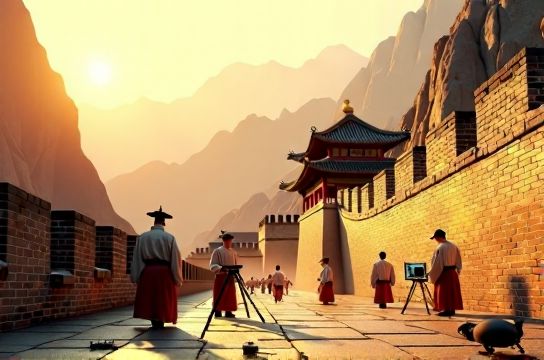
The Challenge of Preservation
With over 50 UNESCO sites—from ancient cities like Pingyao to natural wonders like Jiuzhaigou Valley—China walks a tightrope between public access and conservation. In 2023 alone, the Forbidden City welcomed nearly 18 million visitors. That kind of foot traffic takes a toll.
To combat deterioration, China has invested heavily in scientific restoration. Experts use laser scanning, drone monitoring, and even AI to assess structural integrity and plan repairs with surgical precision.
Spotlight on Key Sites
Take the Mogao Caves in Dunhuang, home to Buddhist art spanning 1,000 years. To protect fragile murals, only a fraction of the 735 caves are open to the public. Digital archiving projects have scanned over 90% of the artwork, creating virtual tours that reduce physical strain on the site.
Likewise, the Potala Palace in Lhasa uses climate-controlled zones and restricts daily visitor numbers to preserve its delicate frescoes and wooden structures.
| Heritage Site | Year Inscribed | Annual Visitors (2023) | Key Restoration Method |
|---|---|---|---|
| Great Wall (Mutianyu Section) | 1987 | 3.2 million | Drone-assisted erosion mapping |
| Forbidden City, Beijing | 1987 | 17.8 million | Traditional craftsmanship + AI monitoring |
| Mogao Caves, Dunhuang | 1987 | 1.6 million | Digital preservation & controlled access |
| Suzhou Gardens | 1997 | 4.1 million | Hydrological management & artisanal repair |
The Human Touch
Technology aside, restoration still relies on skilled artisans. At the Summer Palace, master carpenters use centuries-old joinery techniques—no nails, no glue—just pure craftsmanship. These experts train for decades, ensuring traditional methods survive alongside modern tools.
Looking Ahead
China’s blend of high-tech innovation and cultural reverence sets a global standard. As climate change and urbanization pose new risks, sustainable tourism and community involvement will be key. After all, preserving the past isn’t just about saving stones and paint—it’s about keeping history alive for future generations.