
and Myth: Witnessing the Tujia Opera Tradition
- Date:
- Views:196
- Source:The Silk Road Echo
Ever heard of a performance where thunder isn't from speakers, but from real drums echoing through mountain valleys? Welcome to the world of Tujia Opera—a living legend carved in song, rhythm, and centuries-old myth. Nestled in China's Hunan and Hubei provinces, this cultural gem isn't just theater; it's spiritual storytelling at its rawest.
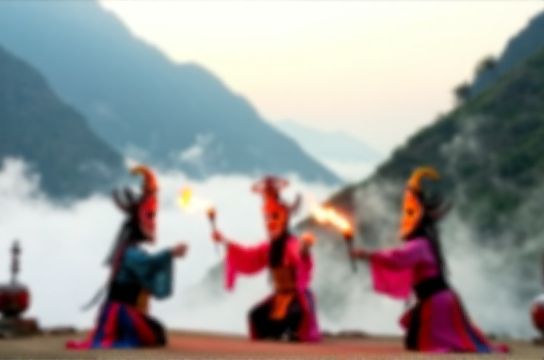
The Tujia people, one of China’s 56 officially recognized ethnic groups, have preserved their opera tradition for over 400 years. Unlike mainstream Chinese opera with its elaborate costumes and acrobatics, Tujia Opera thrives on simplicity and soul. Performers wear traditional batik garments, masks carved from camphor wood, and rely heavily on oral transmission—no scripts, just memory passed from elder to youth.
At the heart of Tujia Opera lies "Nuo" ritual theater, originally performed to exorcise evil spirits and bless harvests. Today, it blends myth, history, and social commentary. One famous play, 'The Legend of Peng the Warrior', recounts a tribal hero who battled invaders using only a bronze drum and wit. It’s not just entertainment—it’s identity.
Let’s talk numbers. According to UNESCO’s Intangible Cultural Heritage reports:
| Aspect | Data |
|---|---|
| Active Tujia Opera Troupes (2023) | ~68 |
| Average Age of Master Performers | 67 years |
| Villages with Regular Performances | 42 |
| Youth Apprentices (under 30) | <150 nationwide |
Yikes. While the art form is breathtaking, its future hangs by a thread. Fewer young people are learning the chants, dances, and drumming techniques. But hope isn’t lost. In 2021, the Chinese Ministry of Culture launched the "Voice of the Mountains" initiative, funding workshops and school programs in Enshi and Zhangjiajie.
If you're planning to witness Tujia Opera live, aim for spring or autumn. The Tujia New Year Festival (usually November) features all-night performances under starlit skies. Locals say the spirits attend too. Bring warm clothes, respect, and zero expectations of Broadway glitz. This is grassroots magic.
Pro tip: Visit the Enshi Tujia Cultural Village. For less than $10, you’ll get front-row seats, a meal of smoked pork and sticky rice, and maybe even a chance to beat the sacred drum yourself.
Tujia Opera isn’t about perfection. It’s about presence. When the lead singer wails a 16th-century lament into the misty hills, you don’t just hear history—you feel it in your bones.