
Journey Along the Silk Road: Tracing China’s Historical Crossroads
- Date:
- Views:237
- Source:The Silk Road Echo
Ever dreamed of walking where camel caravans once trod, trading spices, silk, and stories under endless desert skies? Welcome to the Silk Road in China—a legendary network of trade routes that didn’t just move goods, but ideas, religions, and cultures across continents. This isn’t just history; it’s adventure with a capital A.
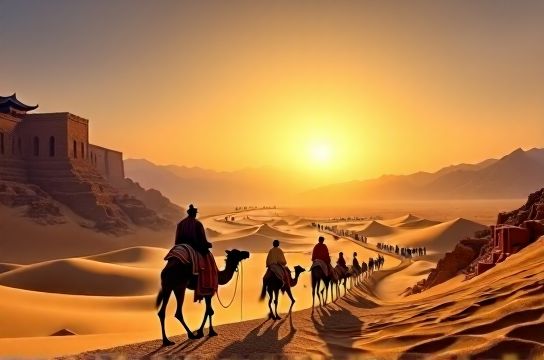
Stretching over 4,000 miles from Xi’an to Rome, the ancient Silk Road passed through some of China’s most dramatic landscapes—from the bustling markets of Dunhuang to the wind-swept dunes of the Taklamakan Desert. Today, travelers can retrace these paths and uncover centuries of cross-cultural magic.
Why the Silk Road Still Matters
Built during the Han Dynasty (206 BCE–220 CE), the Silk Road was more than a trade route—it was the world’s first global network. Chinese silk, porcelain, and tea flowed west, while gold, wool, and Buddhism traveled east. In fact, by the Tang Dynasty (618–907 CE), Dunhuang alone hosted over 30,000 merchants annually.
Top Stops on China’s Silk Road
Here are the must-see cities and sites that bring this epic journey to life:
| City/Site | Historical Significance | Modern Attractions | Best Time to Visit |
|---|---|---|---|
| Xi'an | Eastern terminus of the Silk Road | Teracotta Army, Muslim Quarter | April–June, September–October |
| Dunhuang | Oasis hub & Buddhist center | Mogao Caves (UNESCO site), Crescent Lake | May–September |
| Turpan | Vital stop in the Turpan Depression | Ancient City of Jiaohe, Grape Valley | July–August (despite heat) |
| Kashgar | Western gateway to Central Asia | Karakul Market, Id Kah Mosque | May–October |
What Makes This Trip Unique?
It’s not just about ruins and relics. The real treasure? The living culture. In Kashgar, you’ll hear Uyghur songs echoing through bazaars. In Dunhuang, nightly light shows project ancient murals onto canyon walls. And let’s talk food—spiced lamb skewers, hand-pulled laghman noodles, and sweet naan bread? Yes, please.
Plus, modern infrastructure makes exploration easier than ever. High-speed rail connects Xi’an to Lanzhou, and domestic flights link remote stops like Hotan to major hubs.
Pro Tips for Travelers
- Pack smart: Desert days are hot; nights are cold. Layers win.
- Respect local customs: Especially in Xinjiang, modest dress is appreciated.
- Go slow: This journey is about savoring moments, not ticking boxes.
The Silk Road isn’t just a trip—it’s a time machine. Whether you’re marveling at 1,000-year-old cave art or bargaining for handmade carpets, you’re part of a story that shaped the world. So lace up your boots and follow the whispers of history. Adventure awaits.