
and Ritual in China's Ethnic Festivals
- Date:
- Views:277
- Source:The Silk Road Echo
When it comes to vibrant cultural expressions, few things capture the soul of a nation like its festivals. In China, beyond the well-known Lunar New Year or Mid-Autumn Festival, over 50 officially recognized ethnic groups bring their own dazzling traditions, rituals, and spiritual meanings to life through unique celebrations. These festivals are far more than just public holidays—they're living testaments to identity, history, and harmony between humans and nature.
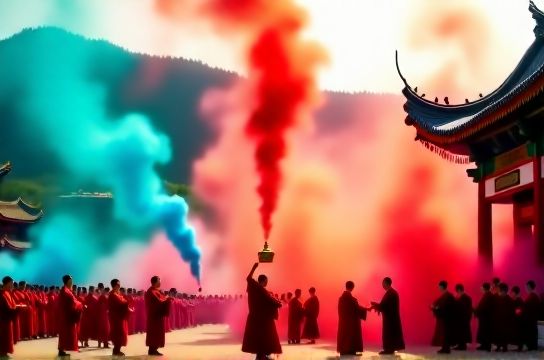
Take the Bai people’s Third Month Fair, for example. Held annually in Dali, Yunnan, this festival blends commerce, romance, and opera performances beneath the Cangshan Mountains. Or consider the Dong族 (Dong) Clan’s New Year, where buffalo fighting and grand choral singing—known as Dage—echo through lush karst valleys. Each ritual carries layers of meaning: ancestor veneration, agricultural cycles, and community unity.
One of the most visually stunning is the Tibetan Shoton Festival. Originating from the monastic summer retreat, it now features giant Buddha thangka unveilings at Drepung Monastery. Over three days, tens of thousands gather near Lhasa, transforming the mountainside into a sea of colorful prayer flags and butter lamps. According to local records, attendance has grown by nearly 12% year-on-year since 2018, reflecting both religious revival and cultural tourism.
Equally fascinating is the Miao New Year, celebrated across Guizhou and Guangxi. It includes silver headdress parades, bullfighting, and the hypnotic sound of lusheng (reed pipes). For the Miao, time isn’t just linear—it’s cyclical, tied to sowing and harvest. Their calendar may differ from the Han Chinese one, but it’s equally precise and deeply spiritual.
Why These Festivals Matter Today
In an era of rapid urbanization, these events serve as emotional anchors. They remind younger generations who they are—and where they come from. UNESCO has recognized several minority practices, like the Mongolian Naadam and the Xinjiang Meshrep, highlighting their global cultural value.
But preservation isn’t automatic. Language loss, migration, and commercialization threaten authenticity. That’s why grassroots efforts—like village-led eco-tourism in Xishuangbanna—are so vital. When travelers engage respectfully, they help sustain not just economies, but identities.
Festival Snapshot: A Comparative View
| Festival | Ethnic Group | Region | Key Ritual | Time of Year |
|---|---|---|---|---|
| Shoton Festival | Tibetan | Tibet Autonomous Region | Unveiling of Thangka | 6th month of Tibetan calendar (~Aug) |
| Miao New Year | Miao | Guizhou, Guangxi | Lusheng Dance & Bullfighting | Oct–Nov (lunar-based) |
| Third Month Fair | Bai | Dali, Yunnan | Horse Trading & Folk Opera | March (lunar) |
| Dong New Year | Dong | Hunan, Guizhou | Grand Choir (Dage) | Nov–Dec |
Whether you’re a traveler seeking authentic experiences or a culture enthusiast hungry for depth, diving into China’s ethnic festivals offers a rare window into the country’s beating heart. These aren’t staged shows—they’re real, raw, and resonant with meaning.
So next time you think of China, look beyond the skyscrapers and ancient walls. Listen to the drumbeats of the Zhuang, taste the yak butter tea in Qinghai, and feel the rhythm of centuries-old songs under open skies. That’s where the true spirit lives.