
Wander Through Ancient Towns China Steeped in History and Culture
- Date:
- Views:290
- Source:The Silk Road Echo
If you're craving a break from skyscrapers and bullet trains, let me take you on a journey to the soul of China—its ancient towns. As someone who’s explored over 30 heritage sites across the country, I can tell you: these hidden gems offer more than just pretty photos. They’re living museums where history breathes through cobblestone lanes, ancestral halls, and morning tea rituals.
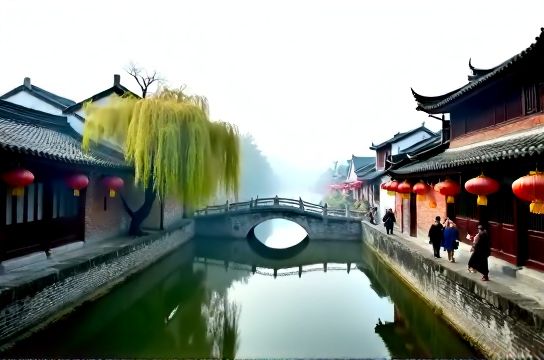
Forget crowded tourist traps. The real magic lies in places like Fenghuang Ancient Town in Hunan or Zhouzhuang Water Village near Shanghai. These aren’t just scenic spots—they’re time capsules preserving Ming and Qing dynasty architecture, local crafts, and centuries-old traditions.
Let’s talk numbers for a sec. According to China’s Ministry of Culture and Tourism, domestic visits to historic towns surged by 24% in 2023 alone, with travelers spending an average of ¥860 per trip (about $120). But here’s the insider tip: timing is everything.
Best Time to Visit Ancient Towns in China
| Town | Best Season | Avg. Daily Temp (°C) | Crowd Level | Entry Fee (¥) |
|---|---|---|---|---|
| Fenghuang | Spring (Mar–May) | 15–22 | Moderate | 120 |
| Zhouzhuang | Autumn (Sep–Nov) | 18–25 | High | 100 |
| Lijiang | Spring/Autumn | 10–20 | Very High | 100 (plus 50 conservation fee) |
| Huangyao | Winter (Dec–Feb) | 8–14 | Low | 80 |
See that? Huangyao’s winter season offers thinner crowds and lower prices—perfect if you hate queues. Meanwhile, Lijiang’s popularity means you’ll battle tourists, but its UNESCO status and Naxi ethnic culture make it worth the hustle.
Now, let’s bust a myth: not all ancient towns are the same. Each has its own flavor. Zhouzhuang floats on canals—think ‘Venice of the East’—while Fenghuang clings dramatically to cliffs above the Tuo River. Lijiang pulses with ethnic energy, and Pingyao in Shanxi is a walled financial relic from imperial times, once home to China’s first banks.
Pro tip: Stay overnight. Most visitors leave by dusk, but that’s when the lanterns glow, locals gather, and the town reveals its true spirit. I recommend family-run guesthouses—many cost under ¥200/night and include homemade breakfasts with pickled vegetables and steamed buns that taste like grandma used to make.
And yes, preservation matters. While tourism boosts local economies, overtourism threatens authenticity. That’s why I support visiting lesser-known spots like Huangyao or Xitang, where your yuan goes directly to artisans weaving silk or shaping clay pottery.
In short, if you want to wander through ancient towns China without the clichés, go beyond the brochures. Pick your season, respect the culture, and let history guide your steps.