
Explore UNESCO Sites China for a Deep Cultural Travel Adventure
- Date:
- Views:284
- Source:The Silk Road Echo
If you're the kind of traveler who craves more than just pretty photos and Instagram check-ins, then it’s time to dive deep—really deep—into China’s UNESCO World Heritage Sites. As someone who's wandered from desert grottoes to imperial palaces, I’m here to tell you: this isn’t just tourism. It’s a front-row seat to 5,000 years of human civilization.
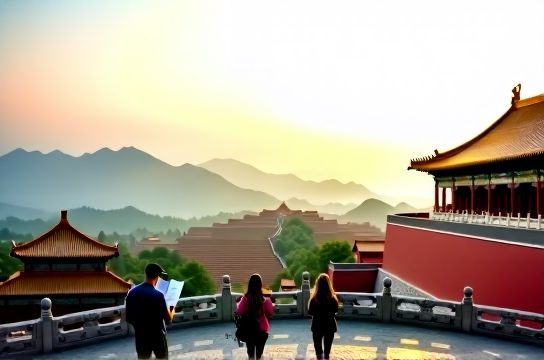
China boasts 57 UNESCO sites—second only to Italy—and they’re not just randomly picked. Each one has been rigorously evaluated for cultural, historical, or natural significance. From the Great Wall to the serene Classical Gardens of Suzhou, these places aren’t just iconic—they’re irreplaceable.
Why UNESCO Sites in China Are a Must-Visit
Let’s get real: not all tourist spots are created equal. But when a site makes the UNESCO list, it means experts from around the world have said, “This matters.” And in China, that translates into jaw-dropping scale and depth.
For example, did you know the UNESCO sites in China include everything from ancient tombs to living ecosystems? Whether you're into history, architecture, or biodiversity, there's something here that’ll blow your mind.
Top 5 UNESCO Sites You Can’t Miss
Here’s my curated list based on accessibility, impact, and sheer wow factor:
| Site | Type | Year Listed | Visitor Count (Annual) |
|---|---|---|---|
| Great Wall | Cultural | 1987 | 10 million+ |
| Forbidden City | Cultural | 1987 | 17 million |
| Zhangjiajie National Forest | Natural | 1992 | 8 million |
| Mogao Caves | Cultural | 1987 | 1.2 million |
| Classical Gardens of Suzhou | Cultural | 1997 | 5 million |
The Forbidden City alone sees more visitors annually than the population of Greece. But don’t let the crowds scare you—go early, book a guided tour, and you’ll experience it like a scholar, not a sightseer.
Pro Tips for Visiting Like a Local Expert
- Timing is everything: Avoid Chinese national holidays (like Golden Week) unless you enjoy shoulder-to-shoulder queuing.
- Book skip-the-line tickets: Many UNESCO sites China offer online reservations—use them!
- Hire certified guides: At places like the Mogao Caves, a good guide unlocks stories you’d never find on a plaque.
And remember: preservation matters. These sites survive because we respect them. No climbing on ancient walls, no touching murals, and definitely no drone drops over sacred temples.
Final Thoughts
Exploring UNESCO sites in China isn’t just about ticking boxes. It’s about connecting with humanity’s greatest hits. Whether you’re tracing emperors’ footsteps or marveling at nature’s artistry, you’re not just traveling—you’re learning, feeling, and remembering.
So pack your curiosity, charge your camera, and go. The past is waiting.