
Discover China's Traditional Festivals Rhythms of Life
- Date:
- Views:248
- Source:The Silk Road Echo
If you're into cultural deep-dives and love experiencing traditions that have shaped billions of lives, then Chinese traditional festivals should be at the top of your list. As someone who’s lived through these celebrations across different regions, I can tell you—these aren’t just holidays. They’re rhythms of life, deeply woven into family, food, and folklore.
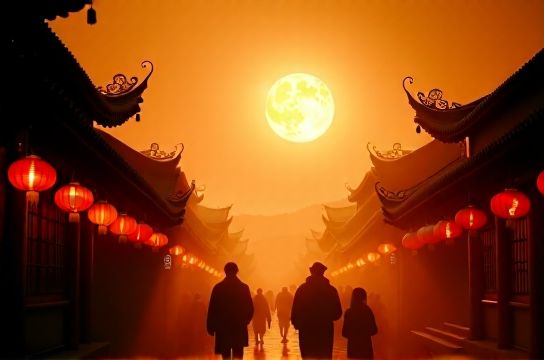
Let’s cut through the noise and break down the most impactful ones—with real data, not just fluff.
Why These Festivals Matter
China’s major traditional festivals aren’t just public holidays—they drive massive economic and social movements. Did you know the Spring Festival (Chinese New Year) triggers the world’s largest annual human migration? We’re talking over 3 billion trips during the travel rush (*source: Ministry of Transport, China*).
These festivals influence spending, travel, and even digital behavior. For example, during Lunar New Year, WeChat red envelopes hit over 100 billion virtual packets exchanged in 2023 alone.
The Big Four: A Quick Comparison
Here’s a snapshot of the most culturally and socially significant festivals:
| Festival | Timing (Lunar) | Key Activity | Travel Volume (Est.) | Cultural Symbol |
|---|---|---|---|---|
| Spring Festival | Lunar Jan 1 | Family reunion, fireworks | 3+ billion | Dumplings, red envelopes |
| Mid-Autumn Festival | Lunar Aug 15 | Mooncake sharing | 800 million | Mooncakes, full moon |
| Dragon Boat Festival | Lunar May 5 | Racing, zongzi eating | 400 million | Dragon boats, herbs |
| Qingming Festival | Apr 4–6 (Gregorian) | Ancestor worship | 500 million | Tomb sweeping, willows |
This isn’t just nostalgia—it’s living culture. Each festival centers around balance: between past and present, nature and humans, yin and yang.
Pro Tips from Years of Observation
- Time it right: If you want authenticity, avoid big cities during peak days. Head to rural areas like Shaanxi or Fujian for Spring Festival temple fairs.
- Eat like a local: During the Mid-Autumn Festival, skip generic mooncakes. Try regional versions—lotus paste in Guangdong, taro in Sichuan.
- Respect the rituals: At Qingming, don’t treat tomb-sweeping as sightseeing. It’s solemn. Bring flowers, not selfies.
These festivals aren’t static. They evolve. Younger generations now blend tradition with tech—like scanning QR codes at ancestral graves during Qingming.
In short, if you’re curious about how culture shapes daily life, dive into these celebrations. They’re not just events—they’re emotional anchors for over a billion people.