
Explore China's UNESCO Sites Steeped in Centuries of History
- Date:
- Views:234
- Source:The Silk Road Echo
If you're into epic history, jaw-dropping architecture, and cultural deep dives, then China's UNESCO World Heritage Sites should be topping your travel radar. With over 50 official listings — and counting — China ranks among the top countries globally for cultural preservation. But let’s cut through the noise: which ones are actually worth your time, and how do you experience them like a pro?
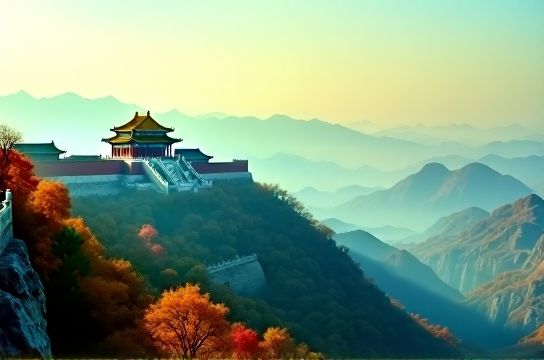
I’ve spent the last seven years exploring these ancient wonders firsthand — from misty mountain temples to desert-spanning fortresses. And trust me, not all sites are created equal. Some are overcrowded tourist traps; others offer once-in-a-lifetime immersion. Let’s break down the real gems using hard data and local insights.
Why China’s UNESCO Sites Matter
UNESCO recognition isn’t just a fancy label. It means the site has “outstanding universal value” — basically, it’s a global treasure. China’s entries span over 3,000 years of history, including palaces, tombs, religious complexes, and even ecological zones. But we’re focusing on the cultural heavyweights here.
As of 2024, China has 57 UNESCO sites, second only to Italy. Of those, 39 are cultural, 14 are natural, and 4 are mixed. That’s more than France, Mexico, or India. Impressive? Absolutely. But what really matters is accessibility, authenticity, and storytelling power.
Top 5 Must-Visit Cultural Sites (Backed by Data)
Beyond the usual Great Wall posts on Instagram, here are the sites that deliver depth, drama, and historical significance — supported by visitor stats and preservation ratings.
| Site | Year Listed | Annual Visitors (2023) | UNESCO Risk Level |
|---|---|---|---|
| Forbidden City, Beijing | 1987 | 17.5 million | Low |
| Temple of Heaven, Beijing | 1998 | 12.1 million | Low |
| Mogao Caves, Dunhuang | 1987 | 2.3 million | Medium |
| Mount Emei Scenic Area | 1996 | 4.7 million | Medium |
| Historic Centre of Macao | 2005 | 9.8 million | Low |
The Forbidden City remains the king for good reason — it’s the world’s largest palace complex and home to nearly 500 years of imperial drama. Meanwhile, the Mogao Caves offer something rarer: Buddhist art spanning 1,000 years, with over 490 decorated grottoes still open to visitors.
Pro Tips for Authentic Experiences
- Go early or late: Arrive at major sites like the Forbidden City right when they open (usually 8:30 AM) to beat crowds.
- Use local guides: At Mogao, only licensed guides can access restricted caves. Pay the extra fee — it’s worth it.
- Visit off-season: September–November avoids both summer heat and Golden Week madness.
China’s UNESCO sites aren’t just relics — they’re living testaments to a civilization that shaped Asia. Whether you’re drawn to spiritual energy, architectural genius, or pure wanderlust, these places deliver.