
Capture the Beauty of Chinese Architecture in UNESCO Sites China
- Date:
- Views:265
- Source:The Silk Road Echo
China’s architectural wonders aren’t just ancient relics—they’re living stories etched in stone, wood, and tile. If you're chasing the soul of Chinese architecture, there's no better place to start than the country’s UNESCO World Heritage Sites. From imperial palaces to serene temples nestled in misty mountains, these sites offer a breathtaking journey through time, culture, and craftsmanship.
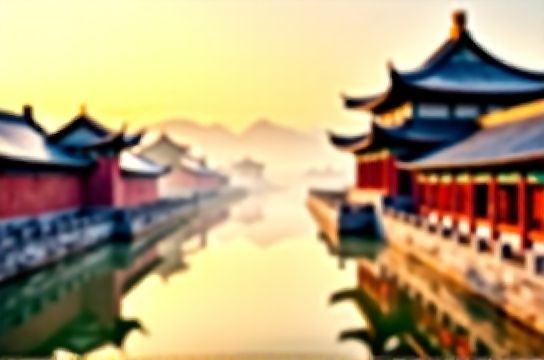
Did you know China ranks among the top countries globally with over 57 UNESCO sites? Among them, nearly 20 are celebrated for their outstanding architectural significance. Whether you're a history buff, a photography enthusiast, or simply curious about cultural heritage, exploring these sites is like flipping through the pages of a grand, illustrated manuscript.
Top Architectural Gems in UNESCO Sites China
Let’s dive into some must-visit spots where Chinese architecture shines brightest:
- The Forbidden City, Beijing – Once home to 24 emperors, this 180-hectare palace complex is the epitome of imperial design.
- Temple of Heaven, Beijing – A masterpiece of symmetry and symbolism, where emperors prayed for bountiful harvests.
- Classical Gardens of Suzhou – Delicate pavilions, winding corridors, and reflective ponds that embody harmony between man and nature.
- Mount Wutai, Shanxi – One of China’s Four Sacred Buddhist Mountains, dotted with centuries-old monasteries.
By the Numbers: A Snapshot of Excellence
To truly appreciate the scale and diversity, check out this overview of key architectural sites:
| Site | Year Inscribed | Style | Key Feature |
|---|---|---|---|
| Forbidden City | 1987 | Imperial Palace | 9,873 rooms; largest wooden structure complex |
| Temple of Heaven | 1998 | Ritual Architecture | Circular Hall of Prayer; acoustic marvels |
| Suzhou Gardens (Group) | 1997 | Scholar’s Garden | Over 60 historic gardens; 9 open to public |
| Mount Wutai | 2009 | Buddhist Monastic | 53 temples; some over 1,000 years old |
These numbers aren’t just stats—they reflect centuries of innovation, spiritual devotion, and aesthetic philosophy. The precision in layout, use of feng shui, and symbolic colors (like yellow for royalty) all speak volumes about the values embedded in UNESCO Sites China.
Why These Sites Matter Today
Beyond beauty, these places teach us about sustainability and balance. Take the Suzhou gardens: they weren’t built to dominate nature but to blend with it—something modern urban planners still study today. Meanwhile, the timber-frame techniques used in the Forbidden City have survived earthquakes for 600 years, proving that ancient doesn’t mean outdated.
Traveling to these sites? Pro tip: Visit early morning or late afternoon for soft light and fewer crowds—perfect for photography. And don’t forget a local guide; their stories bring silent halls and weathered beams back to life.
In a world rushing toward the future, stepping into these timeless spaces reminds us to look back—and upward—at the genius of Chinese architecture.