
Witness Breathtaking Rituals at Traditional Festivals China
- Date:
- Views:289
- Source:The Silk Road Echo
When you think of Traditional Festivals China, what comes to mind? Dragon dances under neon-red lanterns? Families reuniting over steaming dumplings? Or maybe the thunderous beat of gongs during a temple fair? You're not far off—but the real magic lies deeper. China’s traditional festivals aren’t just colorful spectacles; they’re living threads connecting centuries of history, belief, and community.
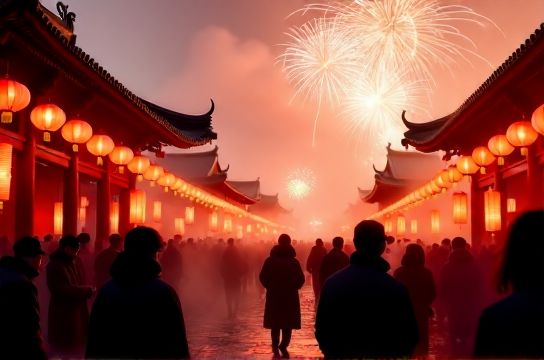
From the explosive joy of the Spring Festival to the poetic moon-gazing of Mid-Autumn, each celebration tells a story. But beyond the postcard moments, there's ritual, symbolism, and soul. Let’s dive into the heart of these cultural treasures—complete with data that shows just how deeply they’re woven into Chinese life.
The Numbers Behind the Noise
Did you know that during the annual Spring Festival, over 3 billion trips are made across China? That’s the world’s largest human migration, all in the name of family reunion—a core value celebrated during this time. And it’s not just travel: retail sales during the holiday period often surge past 1 trillion RMB.
Here’s a snapshot of China’s top four traditional festivals and their societal impact:
| Festival | Timing (Lunar) | Key Activity | Cultural Significance | Estimated Participation (Millions) |
|---|---|---|---|---|
| Spring Festival | 1st–15th Jan | Family reunion, fireworks | New Year & ancestral respect | 1,400 |
| Dragon Boat Festival | 5th May | Racing, zongzi eating | Honoring Qu Yuan | 600 |
| Mid-Autumn Festival | 15th Aug | Mooncake sharing, lanterns | Harvest & unity | 900 |
| Qingming Festival | Apr 4–6 | Ancestral tomb sweeping | Remembrance & nature | 700 |
This isn’t just tradition—it’s identity in motion.
Rituals That Resonate
Take the Traditional Festivals China experience beyond surface-level fun. In rural Guangxi, Zhuang people sing antiphonal folk songs during the Sanyuesan festival—melodic duels that can last hours. In Shaanxi, locals perform ancient Daoist purification rites during the Double Ninth Festival, hiking sacred mountains to ward off ill fortune.
And let’s talk about food—not just as sustenance, but as symbolism. Zongzi rice dumplings? They’re not just tasty; they honor a poet who drowned himself out of loyalty. Mooncakes? Their round shape mirrors the full moon—and the ideal of family wholeness.
Why These Festivals Still Matter
In our fast-paced, digital world, these celebrations offer something rare: presence. A 2023 survey by Peking University found that 87% of young Chinese still participate in at least three traditional festivals annually—not because they have to, but because they feel connected to something bigger.
Plus, UNESCO has recognized several Traditional Festivals China as Intangible Cultural Heritage, including the Dragon Boat Festival and the Mid-Autumn tradition. That’s global acknowledgment of their enduring value.
So whether you’re watching fire dancers in Fujian or floating river lanterns in Hangzhou, remember: you’re not just observing culture—you’re stepping into it.