
Explore Sacred UNESCO Sites China Steeped in Tradition
- Date:
- Views:261
- Source:The Silk Road Echo
China isn’t just about skyscrapers and high-speed trains — it’s a living museum of ancient wisdom, spiritual depth, and architectural genius. From misty mountain temples to imperial city centers, the country is home to over 50 UNESCO World Heritage Sites, each whispering stories of emperors, monks, and millennia-old traditions.
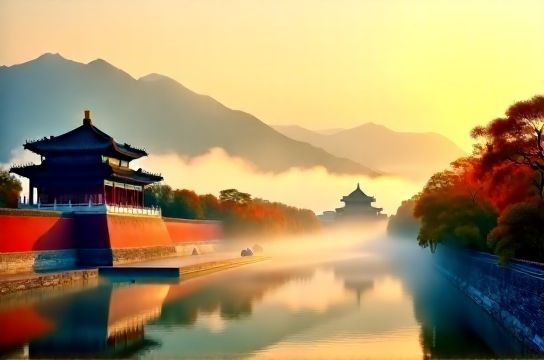
If you’re craving more than just photo ops, here are some of the most spiritually rich UNESCO sites in China that will leave your soul stirred.
1. The Forbidden City, Beijing
Once off-limits to commoners (hence the name), this 600-year-old palace complex was home to 24 Ming and Qing dynasty emperors. With 980 surviving buildings and nearly 180,000 cultural relics on display, it's not just grand — it's overwhelming in the best way.
| Site | Year Inscribed | Visitors (Annual) | Key Feature |
|---|---|---|---|
| Forbidden City | 1987 | ~15 million | Largest ancient palatial structure in the world |
| Temple of Heaven | 1998 | ~10 million | Emperor's prayer for harvest |
| Mount Emei & Leshan Buddha | 1996 | ~3 million | World’s tallest stone Buddha (71m) |
2. Temple of Heaven, Beijing
This isn’t just a temple — it’s where emperors performed sacred rituals to ensure bountiful harvests. The circular Hall of Prayer for Good Harvests symbolizes heaven, while the square outer walls represent earth — a perfect blend of cosmology and architecture.
Fun fact? The emperor walked only on the central axis, believed to be the 'path of divine communication.' Today, locals practice tai chi here at dawn — tradition never really left.
3. Mount Emei and the Leshan Giant Buddha
A pilgrimage site for over 1,000 years, Mount Emei is one of China’s Four Sacred Buddhist Mountains. Trek through lush forests, past chanting monasteries, and you’ll eventually reach the Leshan Giant Buddha — carved straight into a cliff during the 8th century.
Standing at 71 meters tall, this colossal statue was designed to calm turbulent river currents (yes, spirituality with engineering flair). It took 90 years to complete — talk about dedication!
4. Longmen Grottoes, Luoyang
Over 100,000 Buddhist statues and 2,800 inscriptions are tucked into limestone cliffs along the Yi River. Created between the 5th and 10th centuries, these grottoes reflect a fusion of Indian Buddhism and Chinese artistry.
The Fengxian Temple houses the majestic Vairocana Buddha, whose serene smile has watched over pilgrims for over 1,300 years. Despite weathering and theft, the site remains a masterpiece of devotion.
Why These Sites Matter Today
These aren’t just relics — they’re active centers of culture and contemplation. Whether it’s a monk lighting incense at dawn or a grandmother teaching her grandchild a folk rhyme near an ancient gate, tradition breathes here.
Travel with respect: dress modestly at religious sites, avoid loud conversations, and never touch ancient carvings. Remember, you’re walking through someone’s heritage.
So skip the shopping malls for a day. Step into courtyards kissed by centuries, meditate under red lanterns, and let China’s sacred sites remind you what timeless really means.