
Witness Majestic UNESCO Sites China with Historic Value
- Date:
- Views:213
- Source:The Silk Road Echo
China isn’t just a country—it’s a living museum. From ancient palaces to silent desert fortresses, the Middle Kingdom is home to 57 UNESCO World Heritage Sites, ranking second globally. Want to walk where emperors once ruled or hike along walls snaking through misty mountains? Let’s dive into some of China’s most breathtaking UNESCO treasures—blending history, drama, and jaw-dropping views.
The Must-See UNESCO Wonders
If you’re planning a trip that mixes culture, awe, and a touch of adventure, these sites should top your list:
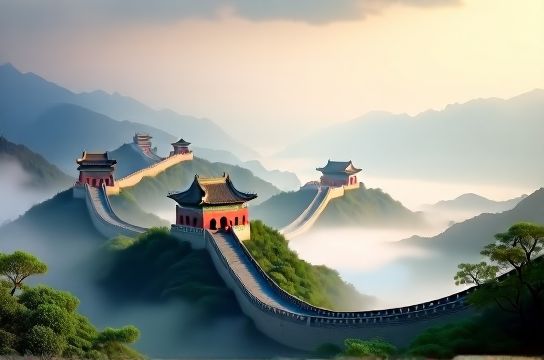
- The Great Wall – Over 13,000 miles long, built across centuries to protect dynasties.
- The Forbidden City – Where 24 emperors lived in golden isolation for nearly 500 years.
- Mount Tai – A sacred peak climbed by emperors to perform heaven-touching rituals.
- Mogao Caves – Hidden Buddhist art caves with over 45,000 square meters of murals.
Quick Stats: Top 4 UNESCO Sites Compared
| Site | Year Inscribed | Location | Visitor Count (Annual) | UNESCO Criteria |
|---|---|---|---|---|
| The Great Wall | 1987 | Northern China | ~10 million | i, ii, iii, iv, vi |
| Forbidden City | 1987 | Beijing | ~17 million | i, ii, iii, iv |
| Mount Tai | 1987 | Shandong | ~6 million | i, ii, iii, iv, v, vi, vii |
| Mogao Caves | 1987 | Dunhuang | ~1.2 million | i, ii, iii, iv, v, vi |
Notice a pattern? 1987 was a big year—China submitted its first batch of heritage sites right after joining UNESCO. And yes, the Forbidden City pulls more visitors than the entire population of some countries!
Why These Sites Matter
These aren’t just tourist traps. They’re cultural anchors. The Great Wall isn’t merely stone and mortar—it’s a symbol of endurance. Built from the 7th century BC to the Ming Dynasty, it weaves through deserts, mountains, and grasslands like a stone dragon.
The Forbidden City? More than 9,000 rooms packed with imperial secrets, feng shui precision, and enough gold leaf to make Midas jealous. It’s not called ‘forbidden’ for nothing—commoners weren’t allowed in for 500 years!
Meanwhile, the Mogao Caves hold over a thousand years of Buddhist art, thanks to Silk Road travelers who stopped to pray—and paint. Some murals glow with lapis lazuli imported from Afghanistan. Talk about dedication!
Tips for Visiting Like a Pro
- Avoid holidays – Golden Week means golden crowds. Try spring (April–May) or autumn (September–October).
- Book ahead – Forbidden City caps daily entries. Buy tickets online weeks in advance.
- Hire a guide – Stories bring stones to life. At the Great Wall, learn how workers mixed sticky rice into mortar. Yes, really.
Bottom line? China’s UNESCO sites aren’t just checkmarks on a bucket list—they’re gateways into a civilization that shaped the world. Whether you're chasing history, beauty, or pure wonder, these places deliver—all backed by serious legacy.