
Traditional Festivals China Where Rituals Still Thrive
- Date:
- Views:232
- Source:The Silk Road Echo
When it comes to experiencing culture in its most vibrant form, few things beat traditional festivals in China. These aren’t just holiday celebrations—they’re living threads connecting the past to the present, where ancient rituals still pulse with life. From dragon dances under red lanterns to mooncakes shared beneath autumn skies, Chinese festivals offer a sensory journey through history, belief, and community.
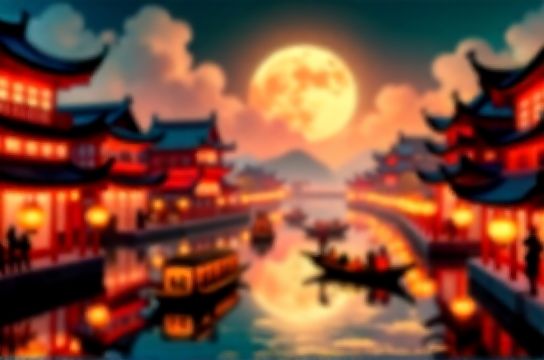
What makes these festivals so special? It’s not just the fireworks or feasts—it’s the deep-rooted customs passed down for generations. Let’s dive into some of the most iconic traditional festivals in China where rituals aren’t just performed; they thrive.
Middle Autumn Festival: When Families Unite Under the Moon
Held on the 15th day of the 8th lunar month (usually September), the Mid-Autumn Festival celebrates harvest and family reunion. The moon is at its fullest and brightest—symbolizing completeness and unity.
Families gather for dinner, light lanterns, and share mooncakes—rich, dense pastries filled with lotus seed paste or salted egg yolk, symbolizing the full moon. In cities like Guangzhou and Hong Kong, lantern carnivals light up parks and streets.
| Festival | Date (2024) | Key Ritual | Symbolism |
|---|---|---|---|
| Mid-Autumn Festival | September 17 | Mooncake sharing, lantern lighting | Family unity, harvest |
| Spring Festival | February 10 | Red envelope giving, firecrackers | Warding off evil, prosperity |
| Dragon Boat Festival | June 10 | Racing long boats, eating zongzi | Honoring Qu Yuan, health |
Spring Festival: More Than Just New Year’s Eve
The Spring Festival, also known as Chinese New Year, is the granddaddy of them all. Lasting 15 days, it kicks off with fireworks meant to scare away the mythical beast Nian. Homes are cleaned from top to bottom—sweeping away bad luck—and decorated in red, the color of fortune.
One of the most touching traditions? The reunion dinner. Millions travel across the country (yes, over 3 billion trips during Chunyun!) to eat dumplings, fish (for abundance), and spend time with elders. Red envelopes (hongbao) stuffed with money are handed out—especially to kids—to bless them with good luck.
Dragon Boat Festival: Power, History & Sticky Rice
June brings the Dragon Boat Festival, a high-energy tribute to the poet Qu Yuan, who drowned himself in protest against corruption. To keep fish from his body, villagers threw rice dumplings (zongzi) into the river—now a staple treat.
The highlight? Intense dragon boat races, where teams paddle in perfect sync to drumbeats. Cities like Foshan and Hangzhou host major competitions, drawing thousands. The rhythmic chants and splashing water make this one of China’s most electrifying cultural displays.
Why These Festivals Still Matter
In an age of rapid modernization, these festivals remain powerful anchors of identity. They’re not museum pieces—they evolve. Young people now blend tradition with tech, sending digital hongbao or posting festival reels on Douyin.
But the core stays strong: respect for ancestors, gratitude for nature, and the unbreakable value of family.
If you ever get the chance to experience a traditional festival in China, don’t just watch—join in. Taste the food, learn the stories, feel the drums shake your chest. That’s where the real magic lives.