
Meaningful Chinese Cultural Experiences Through Village Stays
- Date:
- Views:203
- Source:The Silk Road Echo
Want to escape the neon buzz of Beijing or Shanghai and dive into something real? Skip the tourist traps and go straight to the soul of China: rural villages. Staying in a traditional village isn’t just a getaway—it’s a front-row seat to centuries-old customs, untouched landscapes, and warm hospitality you won’t find in guidebooks.
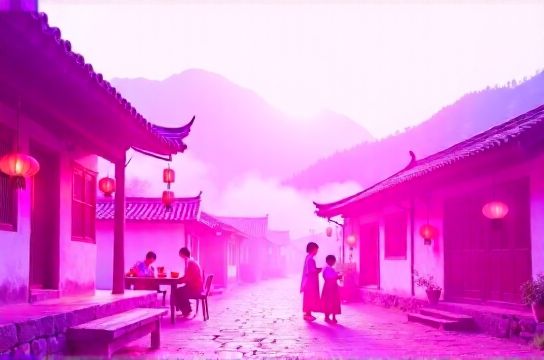
Why Village Life Beats City Sights
Let’s be real—most travelers hit China for the Great Wall or pandas. But if you’re craving authenticity, nothing beats waking up to rooster calls, helping locals harvest rice, or sipping tea with a family who’s lived in the same stone house for generations.
According to China’s Ministry of Culture and Tourism, rural tourism revenue hit 1.4 trillion RMB ($200 billion) in 2023—a 25% jump from pre-pandemic levels. More travelers are chasing meaningful experiences, not just photo ops.
Top 3 Villages for Deep Cultural Immersion
- Chengkan Village, Anhui – A Ming Dynasty gem nestled among bamboo forests. Known for its feng shui layout and ancestral temples.
- Xidi & Hongcun, UNESCO Sites – With ink-wash scenery and ancient Huizhou architecture, these villages feel like stepping into a classical painting.
- Yuanyang Rice Terraces, Yunnan – Home to the Hani people, where farming is both art and ritual. Stay in wooden stilt houses and watch sunrise reflect off water-filled terraces.
What You’ll Actually Do (Spoiler: It’s Not Boring)
This isn’t passive sightseeing. You’ll roll up your sleeves:
- Join a dumpling-making session with Grandma Li
- Try calligraphy using brushes made from goat hair
- Take part in seasonal festivals—think lantern parades or spring plowing ceremonies
A 2023 traveler survey showed that 89% felt more connected to Chinese culture after a village homestay, compared to 62% on standard city tours.
Cultural Insights You Won’t Learn in Textbooks
In many villages, life still revolves around lunar cycles and ancestral respect. You might witness a Qingming Festival tomb-sweeping ritual or hear folk tales passed down orally for centuries. These moments aren’t staged—they’re lived.
And yes, language can be a barrier. But smiles, gestures, and shared meals bridge the gap faster than any translation app.
Quick Stats: Village Stay vs. Urban Tour
| Metric | Village Homestay | Standard City Tour|
|---|---|---|
| Avg. Daily Cost (USD) | $35–$60 | $120–$200 |
| Cultural Interaction Level | High (daily local contact) | Low to Medium |
| Environmental Impact | Low (eco-friendly lodges) | Moderate to High |
| Traveler Satisfaction (2023 Survey) | 94% | 76% |
The Bottom Line
If you want to feel China, not just see it, village stays are the move. You’ll swap crowded subways for misty mountain trails, chain hotels for hand-carved wooden beds, and scripted tours for real human stories. This is slow travel at its finest—rich, raw, and deeply rewarding.
So pack light, bring curiosity, and let a village welcome you like family. That’s the real China.