
Traditional Festivals China Celebrating Continuity and Change
- Date:
- Views:259
- Source:The Silk Road Echo
China’s traditional festivals are more than just holidays—they’re living stories, passed down through generations like heirlooms wrapped in red paper. From the firecracker-filled streets of Lunar New Year to the quiet glow of lanterns during Mid-Autumn Festival, these celebrations blend ancient customs with modern life in a way that feels both timeless and refreshingly current.
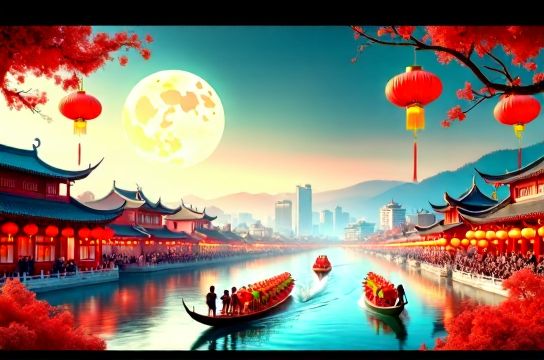
What makes Chinese festivals so captivating? It’s their ability to evolve without losing their soul. Take Spring Festival, for example. Over 1.4 billion people still honor ancestral rites, but now they also send digital red envelopes via WeChat—over 800 million users participated in this trend during the 2023 celebration. Tradition isn’t frozen; it flows.
Let’s break down some of the most iconic festivals shaping China’s cultural heartbeat:
Lunar New Year (Spring Festival)
The undisputed champion of Chinese festivals. Homes buzz with dumpling-making sessions, families reunite across provinces (hello, world’s largest annual human migration!), and every corner glows with red lanterns. Did you know? In 2023, domestic tourism revenue hit ¥576 billion during the holiday week—proof that tradition fuels the economy too.
Mid-Autumn Festival
A night of mooncakes and family unity. The full moon symbolizes completeness, and cities host dazzling lantern displays. Mooncake sales alone exceed ¥20 billion annually, with creative flavors like durian and matcha joining classic lotus paste.
Dragon Boat Festival
Racing boats, eating zongzi, and honoring Qu Yuan—the poet who drowned himself in protest. This festival mixes athleticism with deep historical reverence. Over 300 official dragon boat races are held nationwide each year, drawing millions of spectators.
| Festival | Timing (Lunar Calendar) | Key Traditions | Modern Twists |
|---|---|---|---|
| Spring Festival | 1st day of 1st month | Reunion dinner, red envelopes, fireworks | Digital hongbao, AI couplets, livestreamed temple fairs |
| Mid-Autumn Festival | 15th day of 8th month | Moon gazing, mooncakes, family gathering | Limited-edition mooncakes, light shows, social media challenges |
| Dragon Boat Festival | 5th day of 5th month | Races, zongzi, mugwort charms | International competitions, themed merch, eco-friendly packaging |
These festivals aren’t just about nostalgia—they reflect how China balances heritage with innovation. Young urbanites might not know all the legends behind Qingming Festival, but they still visit gravesites, blending respect with selfie sticks and QR code grave markers. Even Qingming has gone high-tech!
And let’s talk globalization. Cities like San Francisco and Sydney now host major Lunar New Year parades, while TikTok trends spread mooncake recipes worldwide. Chinese culture isn’t staying within borders—it’s inviting everyone to the table.
In essence, China’s traditional festivals prove that continuity doesn’t mean stagnation. They adapt, surprise, and endure—like a phoenix rising from ancient ashes, but this time, streaming live on Douyin.