
China UNESCO Sites That Define a Civilization
- Date:
- Views:288
- Source:The Silk Road Echo
If you're into history, culture, and jaw-dropping architecture, then China’s UNESCO World Heritage Sites are like a time-travel buffet. We’re talking about places so rich in legacy, they don’t just whisper the past—they roar it. From the Great Wall snaking across mountains to the Terracotta Army standing guard for millennia, these spots aren’t just tourist traps. They’re living testaments to one of the world’s oldest continuous civilizations.
Why China’s UNESCO Sites Matter
China boasts 57 UNESCO World Heritage Sites—39 cultural, 14 natural, and 4 mixed—as of 2024. That puts it second globally, right behind Italy. But it’s not about the number—it’s about depth. These sites reflect over 3,000 years of imperial drama, philosophical brilliance, and engineering genius.
The Heavy Hitters: Must-Visit UNESCO Gems
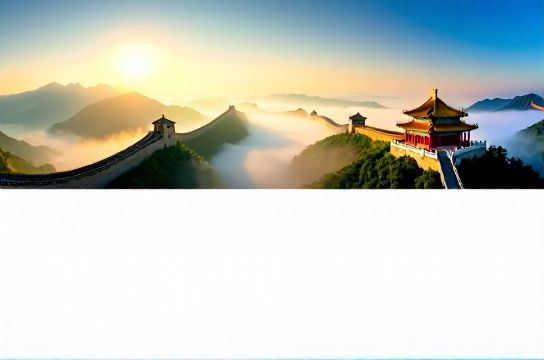
- The Great Wall (1987): Stretching over 21,000 km, this isn’t just a wall—it’s a symbol of endurance. Built over centuries, mainly during the Ming Dynasty, it protected empires and shaped identities.
- Forbidden City, Beijing (1987): Home to 24 emperors, this 720,000 m² palace complex is a masterpiece of symmetry and symbolism. Think dragon roofs, golden tiles, and secrets behind every red door.
- Temple of Heaven, Beijing (1998): Where emperors prayed for good harvests. The acoustics? Mind-blowing. Step on the center stone and your voice echoes back like heaven’s reply.
- Yungang Grottoes (2001): Carved in the 5th century, these 45 caves house over 51,000 Buddhist statues. The largest statue stands at 17 meters—serene, majestic, and carved from solid sandstone.
- Mount Emei & Leshan Giant Buddha (1996): The world’s tallest stone Buddha (71m) gazes over three rivers. Climb down 900 steps to stand at its toes—it’s humbling.
Hidden Treasures Beyond the Headlines
Sure, everyone knows the Great Wall. But what about Huangshan? This misty mountain range inspired centuries of Chinese painting and poetry. Or West Lake in Hangzhou, where every bridge, pagoda, and willow tree feels like a brushstroke from a Song Dynasty scroll.
Quick Stats: A Snapshot of China’s Cultural Powerhouse
| Category | Number of Sites | First Inscribed |
|---|---|---|
| Cultural | 39 | 1987 |
| Natural | 14 | 1992 |
| Mixed (Cultural + Natural) | 4 | 1992 |
| Total in China | 57 | - |
Source: UNESCO World Heritage Centre, 2024
Pro Tips for Visiting
- Avoid holidays: Golden Week? Think millions. Visit mid-week in shoulder seasons (April-May or Sept-Oct).
- Hire a local guide: At places like the Mogao Caves, guides unlock stories you’d miss alone.
- Respect the rules: No flash photography in temples, and stay behind ropes in grottoes—preservation matters.
These sites aren’t just relics. They’re storytellers. Whether you’re tracing Confucian ideals at the Temple of Confucius in Qufu or hiking the ancient Tea Horse Road, you’re walking through chapters of human ambition, faith, and artistry. So pack your curiosity—China’s heritage is waiting to redefine your sense of wonder.