
Lijiang’s Ancient Town: Where Naxi Culture Thrives
- Date:
- Views:266
- Source:The Silk Road Echo
Wander through cobbled lanes where water flows like time, and you’ll find yourself in Lijiang Ancient Town—a living postcard of Naxi heritage, Ming-era architecture, and mountain whispers. Nestled at the foot of Jade Dragon Snow Mountain in Yunnan Province, this UNESCO World Heritage Site isn’t just a pretty face; it’s a cultural heartbeat pulsing with tradition.
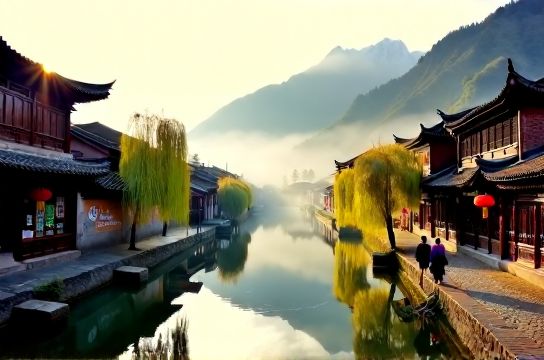
With over 800 years of history, Lijiang’s Old Town escaped modernization thanks to strict preservation laws. No cars allowed? Check. Wooden Qing-dynasty homes? Everywhere. Locals still speak Dongba script—one of the last pictographic writing systems on Earth. That’s not just charm; that’s rare cultural resilience.
But don’t come here just for nostalgia. Lijiang blends old and new like a perfectly brewed tea. By day, explore Square Street (Sifang Jie), the historic trade hub once vital on the Tea-Horse Road. By night, sip local baijiu under red lanterns while listening to Naxi ancient music—a hauntingly beautiful orchestral form recognized by UNESCO.
Why Lijiang Stands Out
Unlike over-commercialized古城 (ancient towns), Lijiang maintains authenticity. Over 70% of residents are ethnic Naxi, keeping customs alive—from clothing to festivals. The Bawang Flower Festival in spring draws thousands, celebrating feminine strength with song, dance, and flower crowns.
Quick Stats: Lijiang at a Glance
| Metric | Detail |
|---|---|
| UNESCO Designation | 1997 |
| Elevation | 2,400 meters (7,874 ft) |
| Annual Visitors | ~15 million (pre-pandemic) |
| Main Ethnic Group | Naxi (over 50%) |
| Best Time to Visit | March–May & September–October |
Pro tip: Skip the crowds by visiting early morning. The mist rising off Black Dragon Pool reflects the snow-capped peaks like a dream. And yes—it’s Instagram gold, but more importantly, it’s spiritual fuel.
Stay in a restored courtyard guesthouse run by a Naxi family. Sip yak butter tea, learn to write your name in Dongba, or hike up to Mu Palace for panoramic views. This isn’t tourism—it’s immersion.
In a world racing toward the future, Lijiang reminds us to look back—not with regret, but reverence. It’s not just China’s most poetic town; it’s a quiet rebellion against forgetting.