
Pingyao Uncovered: Stepping Back into Imperial China
- Date:
- Views:242
- Source:The Silk Road Echo
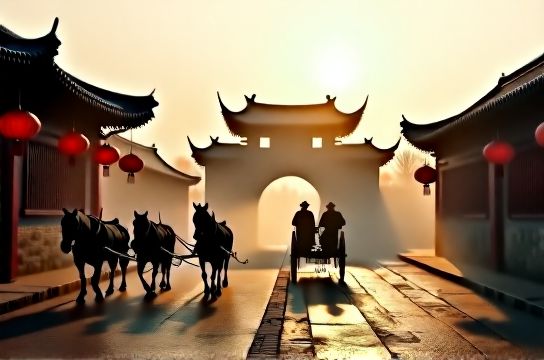
Ever wanted to time-travel to ancient China? You don’t need a DeLorean—just hop on a train to Pingyao. Nestled in Shanxi Province, this UNESCO World Heritage Site is one of the best-preserved walled cities from the Ming and Qing dynasties. Walking through its cobblestone streets feels like stepping onto a movie set—except it’s 100% real, and every brick whispers centuries of history.
Why Pingyao?
While Beijing dazzles with palaces and Shanghai pulses with neon, Pingyao offers something rarer: authenticity. Founded over 2,700 years ago, it escaped major modernization, preserving over 300 traditional courtyards, ancient temples, and even China’s first bank—the Rishengchang Draft Bank.
But don’t let its old-school charm fool you. Pingyao isn’t just a museum piece; it’s a living city where locals sip tea in courtyard homes and street vendors grill lamb skewers under red lanterns.
Must-See Spots & Hidden Gems
- Pingyao Ancient City Wall – Circling the city at 6 km long, this 14th-century wall offers panoramic views. Climb up at sunset for golden-hour magic.
- Rishengchang Draft Bank – Think Goldman Sachs meets imperial China. This was the birthplace of Chinese banking. Peek into vaults and learn how merchants moved money across empires.
- Temple of Confucius – A serene escape with intricate carvings and a courtyard perfect for quiet reflection.
- Shuanglin Temple (Off-the-Beaten-Path) – Just outside the city, this temple houses jaw-dropping Ming-era sculptures. Few tourists make it here—do yourself a favor and go.
Quick Visitor Stats (2023 Data)
| Category | Data |
|---|---|
| Annual Visitors | ~12 million |
| Average Stay | 1.8 days |
| Best Time to Visit | April–October |
| Entry Fee (City Pass) | 125 CNY (~$17) |
| UNESCO Listed Since | 1997 |
Pro Tips for Travelers
Stay in a siheyuan (traditional courtyard guesthouse)—they’re cozy, atmospheric, and often cheaper than hotels. Try Dejinge Inn, run by a local family who’ll feed you homemade dumplings.
Eat like an emperor: Don’t miss pingyao beef—slow-cooked, tender, and spiced with star anise. Wash it down with jiaobei, a sweet millet wine locals swear by.
Visit during the Pingyao International Photography Festival (September) when the alleys explode with art, music, and pop-up galleries.
The Bottom Line
Pingyao isn’t flashy, but that’s its power. It’s a rare window into imperial China that hasn’t been Disney-fied. Whether you’re a history nerd, culture vulture, or just chasing beauty, this ancient gem delivers.
So pack your bags—and leave your smartphone behind (okay, maybe just put it on airplane mode). In Pingyao, the past isn’t dead. It’s very much alive.