
Historic Walled Cities Among Ancient Towns China’s Finest
- Date:
- Views:304
- Source:The Silk Road Echo
When it comes to time travel, you don’t need a DeLorean—just hop on a train to one of China’s ancient walled cities. These stone-silent storytellers have stood guard for centuries, guarding secrets of emperors, scholars, and silk-road traders. From Ming dynasty battlements to UNESCO-protected gems, these fortified towns blend history, architecture, and culture in ways that’ll make your Instagram feed—and your soul—richer.
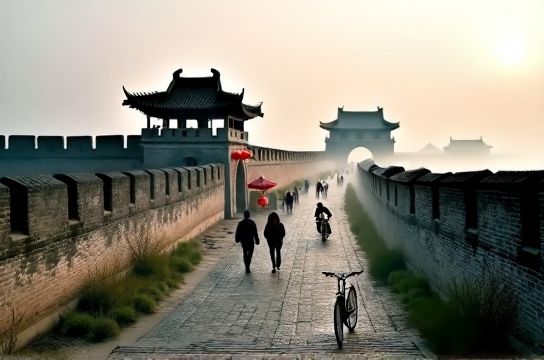
The Timeless Appeal of China’s Walled Cities
China is home to over 150 well-preserved ancient towns, but only a handful boast complete city walls—a rare feature that speaks volumes about their strategic and cultural importance. Built primarily during the Ming (1368–1644) and Qing (1644–1912) dynasties, these walls weren’t just for show. They defended against invasions, floods, and even bad Feng Shui (yes, really).
Today, they offer travelers a portal into imperial China, with cobbled streets, traditional courtyard homes, and tea houses that serve brews older than your great-granddad’s recipes.
Top 4 Must-Visit Walled Cities in China
| City | Dynasty | Wall Length | UNESCO Status | Annual Visitors (Millions) |
|---|---|---|---|---|
| Xi’an | Ming | 13.7 km | No | 22.5 |
| Pingyao | Ming/Qing | 6.4 km | Yes (1997) | 15.8 |
| Shenxiancheng | Qing | 3.8 km | No | 2.1 |
| Ningyuan | Ming | 5.9 km | No | 3.4 |
1. Xi’an – The Granddaddy of Them All
Let’s start with the legend: Xi’an. Home to the Terracotta Army, this city’s 14-kilometer wall is the most complete in China. Built in 1370, it’s wide enough to land a helicopter (okay, maybe not, but six lanes of traffic could fit!). Rent a bike and cruise the ramparts at sunset—golden light bouncing off gray bricks? Chef’s kiss.
2. Pingyao – A Living Museum
If Xi’an is the emperor, Pingyao is the scholar. This UNESCO World Heritage site in Shanxi Province has kept its 6.4-km wall and over 300 Ming-Qing courtyards intact. Once a financial hub (think ancient Wall Street), it hosted some of China’s first banks. Walk through Rishengchang Exchange Shop, and imagine merchants trading silver ingots like crypto bros trade Dogecoin.
3. Shenxiancheng – The Hidden Gem
Tucked in Hebei, Shenxiancheng is less crowded but equally charming. Its 3.8-km wall encircles a town where locals still hang laundry between 200-year-old eaves. No big hotels, no neon signs—just authenticity served with a side of dumplings.
4. Ningyuan – Fortress of the Northeast
In Liaoning, Ningyuan’s 5.9-km wall guarded the empire’s flank. Today, it offers panoramic views and fewer selfie sticks. Climb the Bell Tower and watch farmers tend fields beyond the moat—it’s rural poetry.
Why These Walls Still Matter
Beyond tourism, these cities are cultural anchors. In Pingyao, over 70% of residents still live in traditional homes. In Xi’an, night markets buzz with Xi’an-style roujiamo (Chinese burgers) and history buffs debating Qin Shi Huang’s legacy.
And let’s talk preservation: while urbanization threatens many heritage sites, strict zoning laws in places like Pingyao ensure that no modern high-rise dares peek over the ancient skyline.
Travel Tips Like a Local
- Best Time to Visit: April–May or September–October (avoid Golden Week chaos)
- Stay Inside the Walls: Opt for boutique guesthouses in restored courtyards
- Eat Local: Try Pingyao beef, Xi’an biangbiang noodles, and Ningyuan corn cakes
So ditch the generic city breaks. Step through an arched gate, feel the weight of centuries under your feet, and let China’s finest walled cities rewrite your travel story—one stone at a time.