
Inspiring UNESCO Sites China Built for Eternity and Beauty
- Date:
- Views:197
- Source:The Silk Road Echo
China isn’t just a land of bustling megacities and ancient philosophies—it’s also home to some of the most breathtaking UNESCO World Heritage Sites on Earth. These aren’t just tourist spots; they’re timeless masterpieces where history, culture, and nature collide in epic fashion. From imperial palaces to sacred mountains, China built these wonders not just for today, but for eternity.
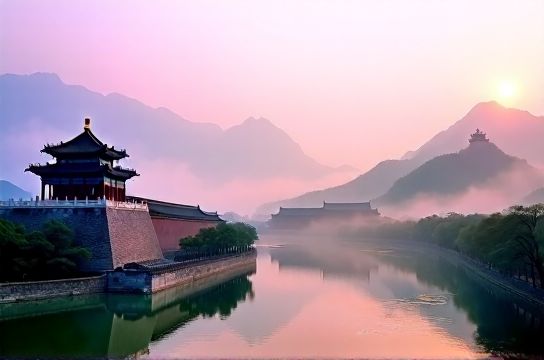
Why China’s UNESCO Sites Are Unmatched
With over 50 official UNESCO sites, China ranks among the top countries globally for cultural and natural heritage. What makes them special? It’s the blend of human ingenuity and natural awe. Whether it’s a 600-year-old palace or a cliffside Buddhist grotto, each site tells a story of devotion, power, and harmony with nature.
Let’s dive into a few standouts that prove China doesn’t just preserve history—it elevates it.
The Forbidden City: Power Carved in Stone
Situated in the heart of Beijing, the Forbidden City was home to 24 emperors across the Ming and Qing dynasties. Built in the early 1400s, this colossal complex spans 180 acres and contains 980 surviving buildings. That’s like stacking 150 football fields with palaces, halls, and courtyards.
Fun fact? The number nine is everywhere—symbolizing imperial supremacy. Just look at the nine dragon motifs on throne room doors or the nine钉 (nails) on each gate.
Mount Emei & Leshan Giant Buddha: Spiritual Grandeur
In Sichuan province, Mount Emei rises like a spiritual giant, crowned with ancient temples and misty forests. But the real showstopper? The Leshan Giant Buddha, carved directly into a cliff face during the 8th century. Standing at 71 meters tall, it’s the largest stone Buddha in the world—so big, its feet alone are longer than a school bus.
This wasn’t just art; it was engineering genius. The statue’s drainage system, hidden in its hair and clothing folds, has protected it from erosion for over 1,200 years.
Data Snapshot: China’s Top 4 UNESCO Gems
| Site | Year Inscribed | Type | Key Feature |
|---|---|---|---|
| Forbidden City | 1987 | Cultural | 980 buildings, 180 acres |
| Great Wall | 1987 | Cultural | 21,196 km long |
| Leshan Giant Buddha | 1996 | Cultural | 71m tall stone Buddha |
| Hangzhou West Lake | 2011 | Cultural | Poetry-inspired landscape |
West Lake: Where Poetry Meets Nature
If the Forbidden City screams imperial power, Hangzhou’s West Lake whispers poetic elegance. For over a thousand years, poets and painters have been obsessed with its willow-fringed shores and misty pagodas. Even Marco Polo called it “the finest city in the world.”
UNESCO recognized it in 2011 not just for beauty, but for how humans shaped nature to reflect philosophical ideals—Taoist balance, Buddhist serenity, and Confucian order—all in one lakeside scene.
Final Thoughts: More Than Monuments
China’s UNESCO sites aren’t frozen relics. They’re living testaments to a civilization that values legacy over trends. Whether you're marveling at the symmetry of the Forbidden City or meditating by West Lake, you’re not just visiting places—you’re stepping into stories carved in time.
So next time you think of travel, skip the generic bucket lists. Go where beauty meets eternity. Go where China built history to last forever.