
Time Honored Chinese Cultural Experiences Passed Through Generations
- Date:
- Views:233
- Source:The Silk Road Echo
Ever wondered what it feels like to step into a 2,000-year-old tradition? China isn’t just about skyscrapers and high-speed trains — beneath the modern surface beats the heart of ancient customs, rituals, and crafts that have been lovingly passed down from generation to generation. These time-honored cultural experiences aren’t just for history buffs; they’re living, breathing parts of everyday life in China.
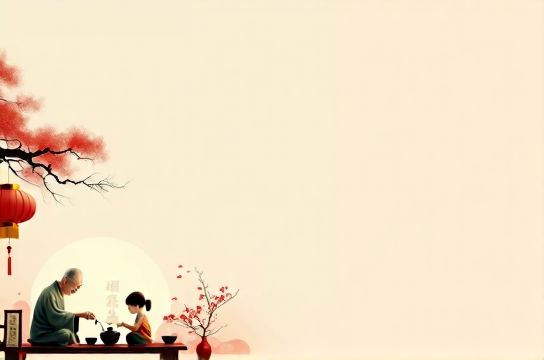
The Art of Tea: More Than Just a Drink
In China, tea is poetry in a cup. From the misty hills of Fujian to the quiet teahouses of Hangzhou, tea ceremonies are a ritual of mindfulness. The Chinese don’t just drink tea — they savor it. Oolong, green, pu’er, white — each type tells a story of region, season, and craftsmanship.
Did you know? Over 4 million tons of tea are produced in China annually — that’s nearly 40% of the world’s total!
| Type of Tea | Region | Flavor Profile | Best Brewed Temperature |
|---|---|---|---|
| Longjing (Dragon Well) | Hangzhou, Zhejiang | Grassy, nutty, fresh | 75–80°C |
| Oolong | Fujian, Guangdong | Floral, creamy, complex | 90–95°C |
| Pu’er | Yunnan | Earthy, rich, aged | Boiling (100°C) |
Pro tip: Join a traditional Gongfu tea ceremony — where every pour is precise, every scent intentional. It’s not just tea; it’s theater.
Calligraphy: Writing as Meditation
Imagine turning handwriting into art. That’s exactly what Chinese calligraphy does. Using brush, ink, paper, and inkstone — the 'Four Treasures of the Study' — practitioners craft characters that dance with rhythm and soul. It’s not about speed; it’s about breath, balance, and intention.
This art form dates back over 3,000 years, with styles evolving from seal script to running script. Today, you can take workshops in cities like Beijing or Xi’an, where masters teach the subtle flicks of the wrist that turn ink into emotion.
Lunar New Year: A Symphony of Tradition
If there’s one time when China truly comes alive, it’s Lunar New Year. Think red lanterns, firecrackers, dumplings, and dragon dances. But beyond the spectacle lies deep meaning: family reunions, ancestral respect, and the hope for prosperity.
Over 1.4 billion people celebrate this festival worldwide. Families gather for the reunion dinner — often featuring fish (for abundance) and niangao (sticky rice cake, symbolizing rising fortune).
Intangible Heritage You Can Experience
UNESCO has recognized dozens of Chinese traditions as Intangible Cultural Heritage — and many are open to travelers:
- Peking Opera: A dazzling mix of music, acrobatics, and makeup-coded characters.
- Shadow Puppetry: Hand-cut leather figures dancing behind a lit screen — storytelling at its most magical.
- Silk Weaving: Visit Suzhou to see artisans create fabrics so fine, they’re called 'clouds of silk.'
These aren’t museum pieces — they’re skills kept alive by families who’ve practiced them for centuries.
Why These Traditions Still Matter
In a fast-paced digital age, these cultural practices offer something rare: slowness, connection, and identity. They remind us that progress doesn’t mean leaving the past behind — it means carrying it forward with pride.
So next time you sip a cup of Longjing or watch a lion dance pulse to the beat of drums, remember: you’re not just observing culture. You’re becoming part of its legacy.