
Remarkable UNESCO Sites China Shaping Human History
- Date:
- Views:255
- Source:The Silk Road Echo
If you're into history that actually shaped humanity—not just dusty old ruins but places where empires rose, philosophies bloomed, and civilizations collided—then China's UNESCO World Heritage Sites should be at the top of your bucket list. With over 50 designated sites, China ranks among the top countries globally for cultural and natural treasures recognized by UNESCO. But which ones truly changed the course of human history? Let’s dive into a few standouts that aren’t just beautiful—they’re foundational.
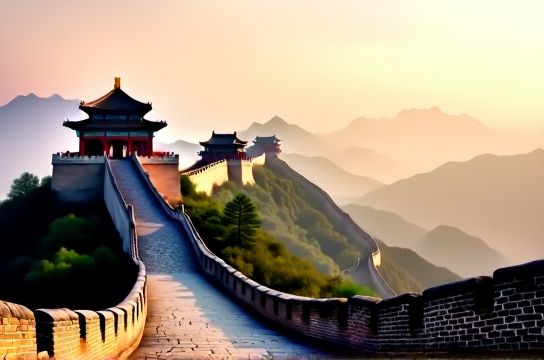
The Great Wall: More Than Just Bricks and Mortar
Stretching over 13,000 miles, the Great Wall isn’t just an architectural marvel—it’s a symbol of resilience, strategy, and imperial ambition. Built across centuries, primarily during the Ming Dynasty (1368–1644), it protected trade routes and shaped geopolitical dynamics in East Asia.
| Site | Year Inscribed | Length (approx.) | Historical Period |
|---|---|---|---|
| Great Wall | 1987 | 21,196 km | Ming & earlier dynasties |
| Forbidden City | 1987 | N/A | Ming & Qing |
| Mount Taishan | 1987 | N/A | Sacred mountain since 1900 BCE |
| Yin Xu (Anyang) | 2006 | 36 sq km | Shang Dynasty (c. 1250 BCE) |
Yin Xu: Where Chinese Writing Was Born
Head to Anyang in Henan Province, and you’ll walk where oracle bones were unearthed—inscribed with the earliest known form of Chinese characters. Dating back to the Shang Dynasty (around 1250 BCE), these bones weren’t just religious tools; they laid the foundation for one of the world’s longest-unbroken writing systems. This site literally gave birth to recorded Chinese history.
Longmen Grottoes: When Art Met Enlightenment
In Luoyang, the Longmen Grottoes house over 100,000 Buddhist statues carved into limestone cliffs between the 5th and 8th centuries. These weren’t just devotional art—they reflect the Silk Road’s cultural fusion, blending Indian, Central Asian, and Chinese styles. At its peak, this was a spiritual Silicon Valley for Buddhist thought.
Why These Sites Matter Today
These locations aren’t frozen in time. They’re living classrooms. The Forbidden City? Still influences modern architecture and design. Mount Taishan? A pilgrimage site for over 3,000 years, now also a biosphere reserve. And the Grand Canal? Completed in the 7th century, it moved grain, ideas, and people across China—think of it as the ancient internet of transport.
So if you want to see where human history pivoted—from language to religion to engineering—China’s UNESCO sites aren’t just worth visiting. They’re essential.