
UNESCO Sites China Reflecting Dynastic Achievements and Faith
- Date:
- Views:242
- Source:The Silk Road Echo
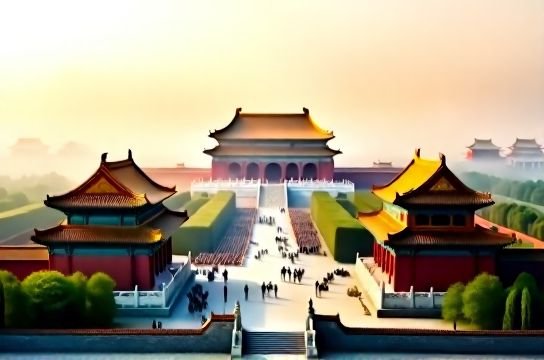
If you're into history that's got drama, grandeur, and a touch of divine inspiration, then China’s UNESCO World Heritage Sites are your ultimate time machine. These aren’t just old buildings or dusty ruins—they’re living testaments to dynastic power, spiritual devotion, and architectural genius. From the Forbidden City’s imperial intrigue to the serene stone Buddhas of Longmen, these sites tell stories carved in stone, wood, and faith.
Why China’s UNESCO Sites Are Unmissable
China boasts 57 UNESCO World Heritage Sites—the second-highest in the world after Italy. Among them, over 20 are cultural landmarks that reflect the rise and fall of empires and the deep-rooted influence of Buddhism, Taoism, and Confucianism. These places don’t just showcase artistry; they reveal how religion and royalty shaped a civilization for millennia.
Top Cultural Gems Rooted in Dynasty & Devotion
- The Forbidden City (Beijing) – Seat of Ming and Qing emperors, this 180-acre palace complex has 980 surviving buildings. It was literally off-limits to commoners for 500 years—talk about exclusivity!
- Temple of Heaven (Beijing) – Where emperors prayed for good harvests. The circular design symbolizes heaven, while the square base represents earth—a perfect blend of cosmology and architecture.
- Longmen Grottoes (Luoyang) – Over 100,000 Buddhist statues chiseled into limestone cliffs between the 4th and 11th centuries. Some figures stand over 56 feet tall—pure devotion in stone.
- Mogao Caves (Dunhuang) – Also known as the 'Caves of a Thousand Buddhas,' this site contains some of the finest examples of Buddhist art spanning 1,000 years.
- Mount Emei & Leshan Giant Buddha – Home to one of the tallest stone Buddha statues in the world (71 meters!), carved during the Tang Dynasty to calm turbulent river spirits.
By the Numbers: A Snapshot of China’s Cultural Power
| Site | Year Inscribed | Dynasty Era | Key Feature |
|---|---|---|---|
| Forbidden City | 1987 | Ming & Qing | Imperial Palace Complex |
| Temple of Heaven | 1998 | Ming | Ritual Sacrifices to Heaven |
| Longmen Grottoes | 2000 | Northern Wei to Tang | Buddhist Sculptures |
| Mogao Caves | 1987 | Sui to Yuan | Wall Paintings & Manuscripts |
| Leshan Giant Buddha | 1996 | Tang | 71m Stone Buddha |
Travel Tips: Make the Most of Your Pilgrimage
Timing is everything. Visit the Forbidden City early in the morning to dodge crowds. For the Mogao Caves, book your tour in advance—only select caves are open to protect ancient murals. And wear comfy shoes; exploring Mount Emei means hiking sacred paths once trod by monks.
Pro tip: Pair your visit with local storytelling. At Longmen, hire a guide who can decode the facial expressions of Buddha statues—some smile, some meditate, others look like they’ve seen your browser history.
Final Thoughts
These UNESCO sites are more than tourist stops—they’re spiritual diaries and political manifestos written in stone and silk. Whether you're marveling at the symmetry of the Temple of Heaven or standing beneath the gaze of the Leshan Buddha, you’re not just seeing history. You’re feeling it.