
Global Recognition of UNESCO Sites China’s Cultural Value
- Date:
- Views:173
- Source:The Silk Road Echo
When it comes to cultural heritage, few countries shine as brightly as China. With a history stretching back over 5,000 years, it's no surprise that the Middle Kingdom is home to some of the most breathtaking UNESCO World Heritage Sites on the planet. But what makes these places so special? And why should you care? Let’s dive into the magic behind China’s global cultural recognition.
Why UNESCO Matters
UNESCO (United Nations Educational, Scientific and Cultural Organization) doesn’t hand out designations like participation trophies. To earn a spot on the World Heritage List, a site must demonstrate outstanding universal value. As of 2024, China ranks second globally with 57 UNESCO sites — 39 cultural, 14 natural, and 4 mixed. That’s more than Italy, France, or Spain when it comes to cultural sites alone.
China’s Crown Jewels: A Closer Look
From ancient palaces to mystical mountains, China’s UNESCO roster reads like a bucket list for adventurers and culture lovers alike. Here’s a snapshot of some heavy hitters:
| Site | Type | Year Listed | Key Fact |
|---|---|---|---|
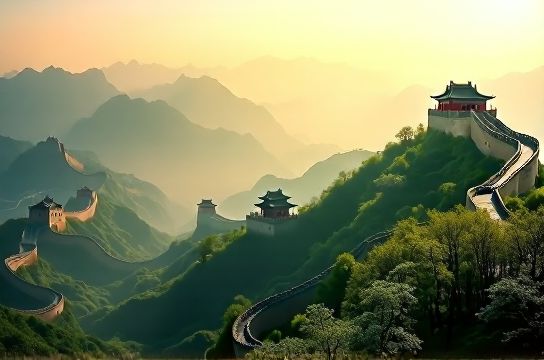
| Great Wall | Cultural | 1987 | Over 13,000 miles long; built across centuries |
| Forbidden City | Cultural | 1987 | Largest ancient palace complex in the world |
| Zhangjiajie National Forest Park | Natural | 1992 | Inspired the floating Hallelujah Mountains in *Avatar* |
| Lhasa (Potala Palace) | Cultural | 1994 | Seat of the Dalai Lama; 13 stories high |
| Karst Landscapes (Guilin & Libo) | Mixed | 2007/2014 | Iconic limestone towers shaped by water over millions of years |
The Secret Sauce: What Makes These Sites Tick?
China’s success isn’t just about old buildings or pretty views. It’s about storytelling. Take the Silk Roads: Chang’an-Tianshan Corridor, inscribed in 2014. This transnational site spans three countries and showcases how trade, religion, and ideas flowed across Asia for centuries. It’s not just history — it’s human connection.
And then there’s Huangshan (Yellow Mountain), a painter’s dream of pine trees clinging to granite peaks. Poets have praised its misty beauty since the Tang Dynasty. Today, it’s a living canvas where nature and culture merge.
Beyond the Brochure: Responsible Tourism Tips
With great heritage comes great responsibility. Over-tourism threatens delicate ecosystems and historic structures. So how can you enjoy these wonders without harming them?
- Visit off-season: Skip the summer crowds at the Forbidden City by going in spring or autumn.
- Support local guides: They offer deeper insights and keep traditions alive.
- Follow rules: No touching ancient murals, no climbing forbidden walls.
Final Thoughts
China’s UNESCO sites aren’t just tourist attractions — they’re time capsules of human genius, resilience, and artistry. Whether you're marveling at the Terracotta Army or hiking through Sichuan’s giant panda sanctuaries, you’re walking through chapters of world history.
So next time you plan a trip, think beyond the usual hotspots. Explore China’s cultural soul — one UNESCO site at a time.