
Explore China’s UNESCO Sites Steeped in Imperial Legacy
- Date:
- Views:239
- Source:The Silk Road Echo
If you're into history that's bigger than life, drama older than Shakespeare, and palaces that make Game of Thrones look modest — welcome to China’s imperial UNESCO World Heritage Sites. These aren’t just old buildings; they’re time machines. From emperors who ruled a third of humanity to secret courtyards whispering centuries of intrigue, these sites are where Chinese civilization truly flexed its muscles.
Why China’s Imperial Heritage Matters
China has 59 UNESCO World Heritage Sites — the second most globally — and over a dozen are tied directly to imperial dynasties spanning from the Qin (221 BCE) to the Qing (1912 CE). These locations aren’t just tourist spots; they’re cultural DNA. Walking through them is like flipping through a living history book written in stone, wood, and dragon motifs.
The Crown Jewels: Top Imperial UNESCO Sites
1. The Forbidden City, Beijing (Listed: 1987)
Once home to 24 emperors, this 720,000 m² palace complex is the ultimate power move. With 980 surviving buildings and enough red walls and golden roofs to make your Instagram glow, it was off-limits to commoners for 500 years — hence the name.
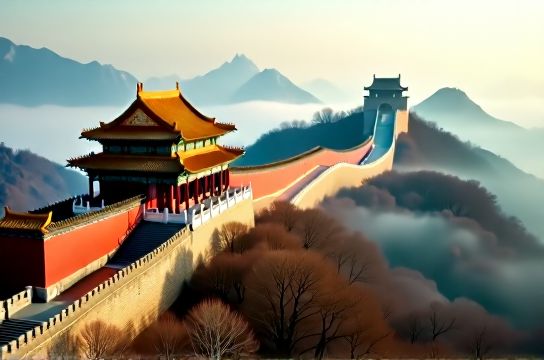
2. The Great Wall (Listed: 1987)
Stretching over 21,000 km, this beast wasn't built in a day — or a dynasty. Started as early as the 7th century BCE and expanded by Qin Shi Huang, it’s less a wall and more a spine of stone running across mountains, deserts, and time.
3. Mountain Resort & Temples, Chengde (Listed: 1994)
A summer playground for Qing emperors, this 5.6 km² retreat blends Manchu, Tibetan, and Han architecture. Think royal chill zone meets spiritual sanctuary.
4. Xi’an Mausoleum of the First Qin Emperor (Listed: 1987)
Home to the Terracotta Army — over 8,000 life-sized soldiers, plus horses and chariots — buried to protect Emperor Qin Shi Huang in the afterlife. Discovered in 1974 by farmers digging a well? That’s next-level plot twist.
Quick Stats: Imperial Sites at a Glance
| Site | UNESCO Year | Key Feature | Visitor Count (Annual) |
|---|---|---|---|
| Forbidden City | 1987 | Imperial Palace Complex | ~17 million |
| Great Wall (Badaling) | 1987 | Fortification System | ~10 million |
| Chengde Mountain Resort | 1994 | Imperial Garden & Temples | ~2.5 million |
| Terracotta Army | 1987 | Funerary Sculptures | ~6 million |
Note: Visitor numbers are pre-pandemic estimates; tourism is rebounding fast.
Travel Tips Like a Pro
- Beat the crowds: Visit the Forbidden City right at opening (8:30 AM) or late afternoon. Skip weekends if you can.
- Best photo spot: Jinshan Tower overlooking the Forbidden City — free and open to public.
- Hidden gem: Explore the quieter Mutianyu section of the Great Wall — same epic views, fewer people.
- Local hack: Buy combo tickets at Chengde — covers the resort and eight outer temples.
Final Word
These sites aren’t just about grandeur — they’re about legacy. They show how one empire shaped art, governance, and philosophy across Asia for millennia. Whether you’re a history nerd, culture vulture, or just love a good aesthetic backdrop, China’s imperial UNESCO sites deliver on every level.
So pack your curiosity, charge your camera, and step into an empire that still echoes today.