
Journey to UNESCO Sites China Preserving World Heritage
- Date:
- Views:202
- Source:The Silk Road Echo
China isn’t just a country—it’s a living museum. From the misty peaks of Huangshan to the echoing halls of the Forbidden City, China's UNESCO World Heritage Sites are where history breathes and culture dances. With 57 official sites recognized by UNESCO (as of 2023), China ranks second globally, trailing only Italy. But what makes these places truly special? Let’s dive into the soul of China’s heritage—where ancient meets awe.
Why China’s UNESCO Sites Matter
These aren’t just tourist traps. They’re time capsules. Each site tells a story—of emperors, pilgrims, engineers, and visionaries who shaped a civilization that’s lasted millennia. Whether it’s the spiritual silence of Mount Emei or the military might of the Great Wall, these locations offer more than photo ops—they offer perspective.
Top 5 Must-Visit UNESCO Sites in China
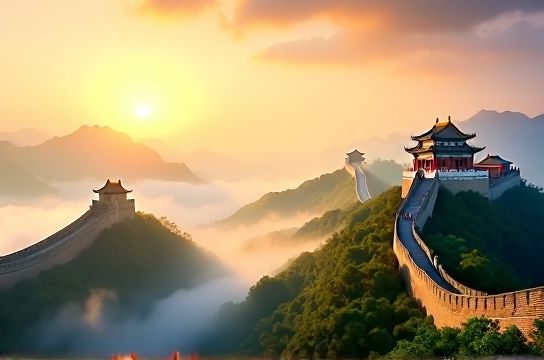
- The Great Wall – Stretching over 13,000 miles, this marvel was built across centuries. Only about 10% is well-preserved, so visit sections like Mutianyu for safety and scenery.
- Forbidden City, Beijing – Home to 24 emperors, this 180-acre palace complex has 980 surviving buildings. Over 17 million visited in 2019—proof it’s a crown jewel.
- Mount Tai (Shandong) – A sacred Taoist peak climbed by emperors for rituals. At 1,545 meters, it’s not just altitude that’s breathtaking—the sunrise here is legendary.
- Chengdu Panda Sanctuaries – Protecting over 30% of the world’s wild giant pandas. Conservation efforts have helped boost panda numbers from endangered to vulnerable.
- Yungang Grottoes (Shanxi) – Carved in the 5th century, these 45 caves house over 51,000 Buddhist statues. The craftsmanship? Mind-blowing.
Quick Stats: China’s UNESCO Breakdown
| Category | Number of Sites |
|---|---|
| Cultural | 39 |
| Natural | 14 |
| Mixed (Cultural + Natural) | 4 |
| Total | 57 |
Source: UNESCO World Heritage Centre, 2023
Travel Tips for Heritage Hunters
- Go off-season: Skip the crowds at Zhangjiajie (yes, the 'Avatar Mountains') by visiting in late autumn.
- Respect local customs: At Lhasa’s Potala Palace, dress modestly and speak softly—this is active religious ground.
- Use local guides: Many sites lack English signage. A guide can turn stone carvings into stories.
China’s heritage isn’t frozen—it’s flourishing. Thanks to strict preservation laws and growing eco-tourism, these sites remain vibrant. So pack your curiosity, charge your camera, and step into the legacy. As the ancient saying goes: “To know the past, walk its paths.”