
China UNESCO Sites That Showcase Millennia of Civilization
- Date:
- Views:205
- Source:The Silk Road Echo
When it comes to ancient wonders and cultural depth, few countries can rival China. With over 50 UNESCO World Heritage Sites, the Middle Kingdom is a living museum of human achievement — from imperial palaces to mystical mountains, ancient cities to engineering marvels. If you're planning a trip that blends history, beauty, and awe, these must-visit UNESCO sites in China should top your list.
Why China’s UNESCO Sites Are Unmissable
China’s heritage spans more than 3,000 years, and its UNESCO-listed locations offer a front-row seat to dynasties risen and fallen, philosophies born, and art perfected. Whether you’re into architecture, spirituality, or just Instagram-worthy landscapes, there’s something here for every traveler.
Top 5 UNESCO Gems You Can’t Skip
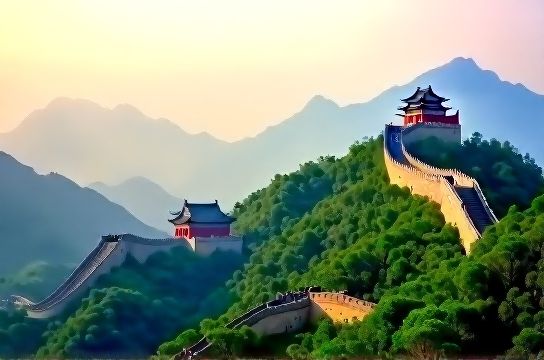
- The Great Wall (1987) – Stretching over 13,000 miles, this iconic fortification isn’t just a wall — it’s a symbol of perseverance. Built across centuries, primarily during the Ming Dynasty, it snakes across mountains and deserts. Only about 10% is well-preserved, so hit up Mutianyu or Jinshanling for the best views.
- The Forbidden City, Beijing (1987) – Home to 24 emperors over nearly 500 years, this palace complex covers 1.8 million square feet with 980 surviving buildings. Fun fact: it has exactly 9,999.5 rooms, as only heaven could have 10,000.
- Mount Huangshan (1990) – Known as “the loveliest mountain of China,” it’s a masterpiece of granite peaks, hot springs, and sea of clouds. Artists and poets have drawn inspiration here for centuries. Pro tip: visit at dawn for surreal light shows.
- Chengdu's Dujiangyan Irrigation System (2000) – Over 2,000 years old and still functioning! This ancient engineering wonder tamed the Min River without a dam. It’s proof that sustainable design isn’t new — it’s just been forgotten.
- Xi’an’s Terracotta Army (1987) – Discovered in 1974 by farmers, this underground army of 8,000 life-sized soldiers guards Emperor Qin Shi Huang’s tomb. Each face is unique — talk about attention to detail!
Quick Stats: A Snapshot of China’s UNESCO Treasures
| Site | Year Listed | Type | Visitor Count (Annual) |
|---|---|---|---|
| The Great Wall | 1987 | Cultural | 10+ million |
| Forbidden City | 1987 | Cultural | 17 million |
| Mount Huangshan | 1990 | Mixed | 3.5 million |
| Terracotta Army | 1987 | Cultural | 6.5 million |
| Dujiangyan | 2000 | Cultural | 2 million |
Travelers often ask: Is it worth visiting multiple UNESCO sites? Absolutely. Each tells a different story — from military might to spiritual harmony. And yes, they’re touristy, but when you’re standing where emperors once walked, crowds fade into the background.
Final Tips for Exploring Like a Pro
- Visit early morning to avoid peak crowds.
- Use local guides — their stories bring stone and paint to life.
- Combine nearby sites: pair Xi’an’s warriors with the ancient city walls.
China’s UNESCO sites aren’t just checkmarks on a bucket list. They’re gateways into a civilization that shaped the world. So pack your curiosity — history is waiting.