
UNESCO Sites China That Reveal the Soul of a Civilization
- Date:
- Views:171
- Source:The Silk Road Echo
If you're into history that actually gives you chills — not just dusty old stones but places where emperors walked, monks meditated, and dynasties rose and fell — then China's UNESCO World Heritage Sites are your ultimate time machine. With 57 officially recognized sites (as of 2024), China ranks second globally, right behind Italy. But it’s not about quantity — it’s about soul. These spots aren’t just tourist traps; they’re living echoes of a civilization that’s been around for over 3,000 years.
The Heavy Hitters: Must-Visit UNESCO Gems
Let’s cut to the chase. If you’ve only got time for a few, make it these:
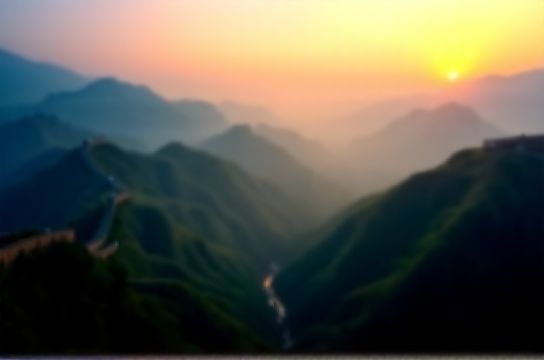
- The Great Wall – Not just a wall. It’s a 13,000-mile spine of stone and grit, built over centuries to keep invaders out. Walk the Mutianyu section for fewer crowds and jaw-dropping views.
- Forbidden City, Beijing – Home to 24 emperors, this 720,000 m² palace complex is Ming Dynasty grandeur on steroids. Red walls, golden roofs, and secrets in every courtyard.
- Mount Taishan – One of China’s Five Great Mountains, worshipped since 2,000 B.C. Hike the Stone Steps (7,000 of them!) or catch sunrise from the summit — spiritual overload guaranteed.
- Yungang Grottoes – 45 caves, over 51,000 Buddhist statues carved into sandstone cliffs. The 17-meter-tall Buddha in Cave 20 will humble you — fast.
Hidden Treasures Off the Beaten Path
Sure, everyone knows the Great Wall. But here’s where China really shines: the underrated, under-visited wonders that’ll make your Instagram feed look like a historian’s dream.
- Hani Rice Terraces (Yunnan) – Over 1,300 years of sustainable farming. The terraces “breathe” with the seasons, reflecting clouds and sky like nature’s mirror.
- Chengjiang Fossil Site – Think dinosaurs? Think earlier. This site holds soft-bodied fossils from 518 million years ago — a window into the Cambrian Explosion.
- Ancient City of Pingyao – A perfectly preserved Ming-Qing era city. Walk its walls, stay in a courtyard inn, and pretend time stopped in 1800.
By the Numbers: China’s UNESCO Power Play
China doesn’t mess around. Here’s how its heritage game stacks up:
| Category | Number of Sites |
|---|---|
| Cultural | 39 |
| Natural | 14 |
| Mixed (Cultural + Natural) | 4 |
| Total UNESCO Sites | 57 |
And get this — China adds roughly one new site every two years. They’re serious about preservation, pouring billions into restoration and eco-tourism controls.
Why These Sites Matter Beyond the Photos
These aren’t just pretty backdrops for your travel pics. Places like Lhasa’s Potala Palace or Karakorum Range reflect deep cultural identity, spiritual beliefs, and ancient wisdom in urban planning, agriculture, and astronomy.
Take the Grand Canal — stretching over 1,100 miles, it’s the longest artificial waterway in the world. Built in the 5th century BC, it connected north and south China, fueling trade, food distribution, and imperial control. Today, parts still function. Now that’s legacy.
Plan Your Pilgrimage
Pro tip: Avoid Golden Week (October 1–7) unless you enjoy shoulder-to-shoulder crowds. Spring (April–May) and autumn (September–October) offer mild weather and clearer skies — perfect for temple hopping or mountain trekking.
And don’t just tick boxes. Spend a night in Pingyao. Meditate at Mount Emei. Taste tea grown near Hangzhou’s West Lake. Let these places sink in.
China’s UNESCO sites aren’t just about the past. They’re about understanding a culture that values harmony, endurance, and balance — principles that feel more relevant than ever.