
Best Traditional Festivals China Celebrate Cultural Heritage
- Date:
- Views:228
- Source:The Silk Road Echo
If you're dreaming of diving into a world where ancient traditions come alive with color, flavor, and rhythm, China’s traditional festivals are your golden ticket. From dragon dances that electrify the streets to lanterns lighting up the night sky, these celebrations aren’t just holidays—they’re living stories passed down through generations.
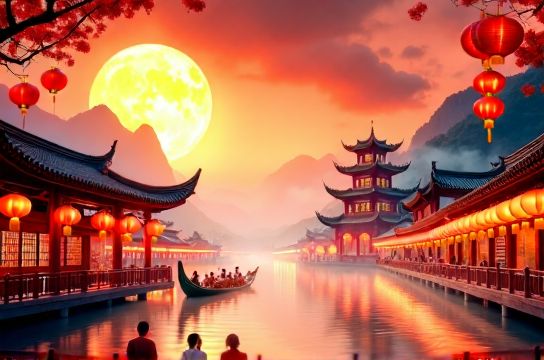
Let’s take a vibrant journey through some of China’s most iconic festivals, where culture isn’t just preserved—it’s celebrated with unmatched passion.
1. Chinese New Year (Spring Festival) – The Granddaddy of Them All
Kicking off the lunar calendar, Chinese New Year is more than fireworks and red envelopes—it’s a nationwide family reunion. In 2023, over 1.3 billion people traveled during Chunyun, the annual migration dubbed the 'world’s largest human movement.'
| Festival | Timing (Lunar Calendar) | Duration | Key Activities |
|---|---|---|---|
| Chinese New Year | 1st day of 1st month | 15 days | Fireworks, Reunion Dinner, Red Packets |
| Mid-Autumn Festival | 15th day of 8th month | 1–3 days | Mooncakes, Lanterns, Family Gatherings |
| Dragon Boat Festival | 5th day of 5th month | 1 day | Races, Zongzi, Herbal Pouches |
2. Mid-Autumn Festival – When the Moon Tells a Story
Held under the year’s fullest moon, this festival is all about harmony and togetherness. Over 90% of urban Chinese families share mooncakes during this time—though modern flavors like durian and ice cream are shaking up tradition.
Beyond desserts, families gather for lantern walks. In Guangzhou, the annual lantern show draws over 500,000 visitors, transforming parks into glowing wonderlands.
3. Dragon Boat Festival – Power, History & Sticky Rice
June brings thunderous drumbeats as teams race long, narrow boats in honor of Qu Yuan, a patriotic poet who drowned himself in protest. Today, over 3,000 dragon boat races happen globally each year, but the most authentic? Watch the ones in Hunan or Guangdong.
And yes, you’ll want to try zongzi—glutinous rice wrapped in bamboo leaves. Northern China prefers sweet versions; southern palates go savory.
Why These Festivals Matter
These aren’t just tourist spectacles. They’re cultural anchors. According to UNESCO, 39 Chinese intangible cultural elements are recognized worldwide—and festivals play a huge role.
They teach respect for ancestors, nature, and community. And let’s be real: where else can you eat, dance, and connect with 5,000 years of history in one weekend?
So whether you’re tossing mooncakes into the air or cheering on a dragon boat crew, you’re not just attending a festival—you’re becoming part of China’s living heritage.