
Immerse in Traditional Festivals China Unique Celebrations
- Date:
- Views:241
- Source:The Silk Road Echo
Want to dive into the soul of Chinese culture? Skip the museums for a day and jump straight into its traditional festivals—vibrant, noisy, delicious, and deeply meaningful. From dragon dances that shake the streets to mooncakes under a silver moon, China’s celebrations are more than just parties—they’re centuries-old stories wrapped in fireworks, food, and family.
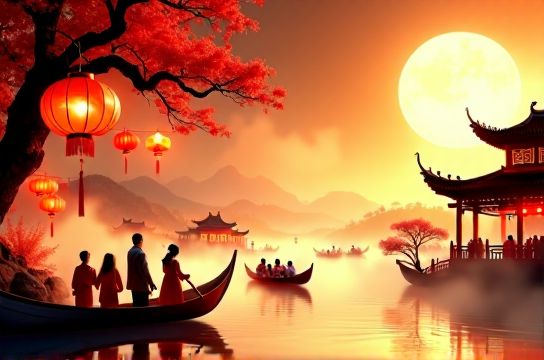
Why Chinese Festivals Are Unlike Any Other
China isn’t just big—it’s culturally massive. With 56 ethnic groups and over 5,000 years of history, its festivals blend myth, agriculture, astronomy, and philosophy. Think of them as emotional time machines: every ritual pulls you back into dynastic eras, ancient beliefs, and timeless values like harmony, respect, and renewal.
The Big Three: Must-Experience Festivals
If you only experience three festivals in China, make it these. They’re nationwide, wildly festive, and packed with photo-worthy moments.
| Festival | Timing (Lunar Calendar) | Key Activities | Popular Regions |
|---|---|---|---|
| Spring Festival (Chinese New Year) | 1st–15th of Lunar JanuaryFireworks, red envelopes, reunion dinner, lion dance | Nationwide, especially Beijing & Guangdong | |
| Mid-Autumn Festival | 15th of Lunar AugustMooncake sharing, lanterns, family gatherings | Suzhou, Hong Kong, Hangzhou | |
| Dragon Boat Festival | 5th of Lunar MayRacing, zongzi eating, herbal sachets | Hunan, Zhejiang, Fujian |
Take the Spring Festival—it’s like Christmas, Thanksgiving, and New Year’s Eve rolled into one. Over 3 billion trips are made during this period (yes, *billion*), making it the world’s largest human migration. Streets explode in red, firecrackers roar at midnight, and families feast on dumplings symbolizing wealth.
The Mid-Autumn Festival is pure poetry. On the fullest, brightest night of the year, people gather to admire the moon—a symbol of reunion. Mooncakes, once used to hide rebel messages during the Yuan Dynasty, now come in flavors like lotus seed, salted egg yolk, and even ice cream!
And don’t miss the Dragon Boat Festival. Legend says it honors Qu Yuan, a poet who drowned himself in protest. Today, teams paddle furiously in long boats while crowds cheer. Pro tip: try the sticky rice dumplings called zongzi—they’re steamed in bamboo leaves and taste like heritage.
Beyond the Big Names: Hidden Gems
If you’re after something offbeat, check out the Harbin Ice Festival in winter, where entire castles are carved from ice and lit up in neon. Or visit Yunnan during the Water-Splashing Festival—a Dai ethnic celebration where getting drenched means good luck.
These niche festivals show China’s cultural diversity. You’ll find Tibetan butter lamp festivals, Mongolian Naadam games, and even a bizarre but hilarious toilet-themed festival in Hangzhou (yes, really).
Tips for Travelers
- Plan early: Trains and hotels book up months ahead for major festivals.
- Learn a few phrases: Saying “Gong Xi Fa Cai” (Happy New Year) earns smiles.
- Respect traditions: Don’t point at altars or refuse tea during ceremonies.
Experiencing a traditional Chinese festival isn’t just sightseeing—it’s feeling the heartbeat of a civilization. Whether you're biting into a mooncake or racing down a river in a dragon boat, you’re not just watching history—you’re living it.