
UNESCO Sites China That Reveal The Soul Of Chinese History
- Date:
- Views:205
- Source:The Silk Road Echo
If you're chasing the heartbeat of Chinese civilization, look no further than its UNESCO World Heritage Sites. These aren't just ancient relics gathering dust—they're living testaments to China's soul, where emperors once walked, monks chanted, and dynasties rose and fell. From the Great Wall snaking across mountain ridges to the serene beauty of classical gardens in Suzhou, these sites offer a backstage pass to 5,000 years of history.
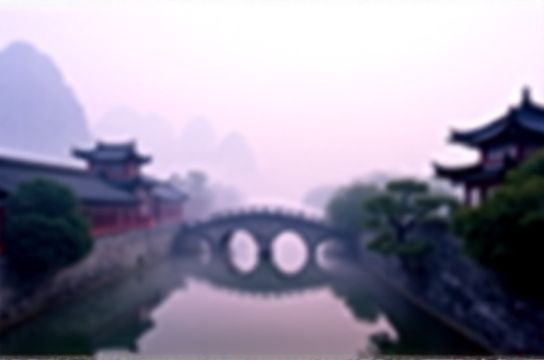
China boasts 57 UNESCO World Heritage Sites—the second-highest in the world after Italy. Among them, 39 are cultural, 14 natural, and 4 are mixed. Let’s dive into some of the most iconic ones that truly reveal the spirit of Chinese history.
The Great Wall: More Than Just Bricks
Stretching over 21,000 kilometers, the Great Wall isn’t one continuous wall but a network of fortifications built across centuries. Constructed as early as the 7th century BCE and expanded under the Qin and Ming dynasties, it was designed to protect against northern invasions.
Fun fact? It’s visible from space—but only under perfect conditions (sorry, myth-busters!). Most tourists flock to Badaling, but for a quieter, more authentic experience, head to Jinshanling or Mutianyu.
The Forbidden City: Where Power Resided
Sitting at the heart of Beijing, the Forbidden City served as the imperial palace for 24 emperors across the Ming and Qing dynasties. With over 9,000 rooms spread across 72 hectares, this crimson-and-gold masterpiece is the largest wooden structure complex in the world.
Built between 1406 and 1420, every detail—from roof angles to dragon carvings—follows strict Feng Shui principles. Today, it houses the Palace Museum, attracting over 17 million visitors annually.
Longmen Grottoes: Stone-Carved Spirituality
Nestled near Luoyang, the Longmen Grottoes feature over 110,000 Buddhist statues carved into limestone cliffs between the 4th and 11th centuries. The largest statue, the Vairocana Buddha, stands at 17 meters tall—serene, majestic, and radiating calm.
These caves reflect the peak of Chinese Buddhist art, blending Indian influences with local craftsmanship. Sadly, many statues were damaged during the Cultural Revolution, but restoration efforts continue.
Suzhou Gardens: Nature Mastered by Man
If the Forbidden City screams power, Suzhou’s classical gardens whisper poetry. These 9 protected gardens, including the Humble Administrator’s Garden and Lingering Garden, were built by scholars and officials seeking harmony with nature.
With winding corridors, koi ponds, and perfectly placed rockeries, they embody Daoist and Confucian ideals. As UNESCO notes, they represent 'the culmination of Chinese landscape garden design.'
Data Snapshot: Top 5 Most Visited UNESCO Sites in China
| Site | Location | Year Inscribed | Annual Visitors (approx.) |
|---|---|---|---|
| Forbidden City | Beijing | 1987 | 17.5 million |
| Great Wall (Badaling) | Beijing | 1987 | 10 million |
| Mount Tai | Shandong | 1987 | 6 million |
| Longmen Grottoes | Luoyang | 2000 | 3 million |
| Suzhou Gardens | Jiangsu | 1997 | 2.8 million |
These numbers don’t just show popularity—they reflect how deeply these places resonate with both locals and global travelers.
Exploring UNESCO sites in China is like flipping through the pages of a living history book. Each stone, hall, and pagoda tells a story—not just of emperors and monks, but of resilience, artistry, and the enduring human spirit.
So next time you think of China, don’t just picture skyscrapers and tech hubs. Think of silent courtyards, echoing gongs, and walls that have stood the test of time. That’s where the real soul lies.