
The Forbidden City at Dawn: A Solitary Walk Through Imperial History
- Date:
- Views:269
- Source:The Silk Road Echo
There’s something almost magical about standing in the heart of Beijing before the city wakes up. I’m talking about that quiet, golden hour when the sky blushes pink and the air feels crisp with possibility. That’s exactly when I found myself walking alone through the Forbidden City — no crowds, no tour guides shouting into megaphones, just me and 600 years of imperial history whispering from the red walls.
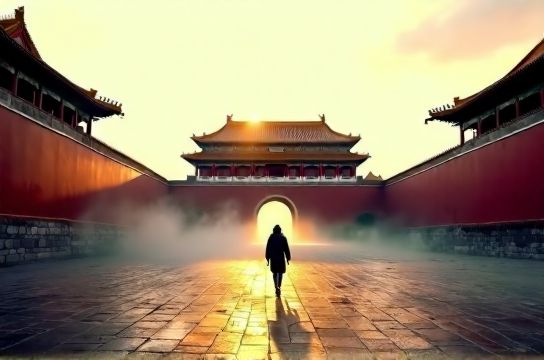
Let me tell you, seeing the Forbidden City at dawn is nothing like visiting during the day. By mid-morning, it’s packed. Thousands of tourists flood the courtyards, snapping selfies in front of palace gates and queuing for hours to peek inside dusty halls. But at sunrise? It’s peaceful. Sacred, even. The stone lions guarding the entrances seem more alert. The golden rooftops glow like they’re lit from within. And the silence — oh man, the silence — makes it feel like time itself has taken a breath.
Built in the early 1400s under Emperor Yongle of the Ming Dynasty, this massive complex was off-limits to ordinary people for nearly 500 years. Hence the name: Forbidden City. It housed 24 emperors across two dynasties and sprawls over 180 acres with more than 9,000 rooms. Just imagine that — nine thousand rooms! Most people don’t see half of them in a full day, but there’s something special about moving slowly, letting your feet trace the same stones emperors once walked.
I started at the Meridian Gate, the main southern entrance. As the first light hit the Hall of Supreme Harmony, the largest building in the complex, it looked surreal — like a painting come to life. No barriers, no ropes, just open space and soft shadows stretching across ancient flagstones. I passed by the Hall of Central Harmony and the Hall of Preserving Harmony, each more ornate than the last, their dragon-carved beams catching the morning glow.
But it wasn’t just the architecture that got to me. It was the feeling. You can almost hear the echoes: court officials shuffling to morning rituals, eunuchs darting through corridors, empresses gliding silently behind silk screens. This place was power — political, spiritual, absolute.
One thing most visitors miss? The subtle details. Look closely at the roof ridges and you’ll spot little ceramic animals — mythical guardians meant to ward off evil. The number on each roof tells you how important the building was. The Hall of Supreme Harmony has ten, the most of any structure in China. That’s not random — that’s symbolism turned up to eleven.
And here’s a pro tip: go as early as possible. Like, sunrise early. Security checks open around 7:30 AM, but if you time it right, you can be among the first through the gate. Wear comfy shoes, bring water, and leave the umbrella at home unless it’s actually raining — it’s easy to get lost in the maze of halls and courtyards.
Walking through the Forbidden City at dawn isn’t just sightseeing. It’s an experience. A moment where past and present blur, and for a brief window, you get to share the space with ghosts of emperors and the soul of a nation.