
and History: Unveiling Suzhou's Cultural Legacy
- Date:
- Views:272
- Source:The Silk Road Echo
When you think of China’s most beautiful cities, Suzhou might not be the first to pop into your mind — but oh man, it should be. Nestled in the Jiangsu province, just a quick train ride from Shanghai, Suzhou is like that quiet genius in the back of the class who’s actually running the whole show. With over 2,500 years of history, this city isn’t just old — it’s *wisely* old. And trust me, its cultural legacy? Absolutely next-level.
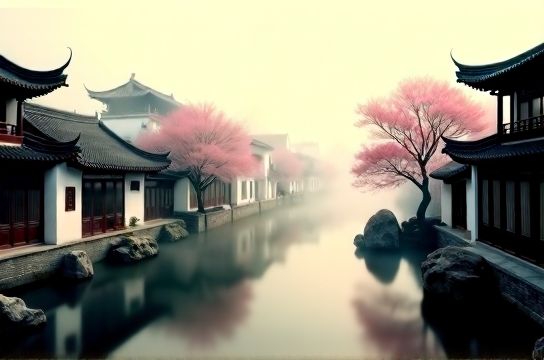
Let’s start with the gardens — because honestly, how can we not? Suzhou’s classical gardens are UNESCO World Heritage Sites for a reason. These aren’t your average backyard setups with a lawn chair and a grill. We’re talking about poetic landscapes where every rock, pond, and twisted pine tree is placed with purpose. The Humble Administrator’s Garden and Lingering Garden? Total icons. Walking through them feels like stepping into a traditional Chinese painting — misty, dreamy, and impossibly peaceful. Locals say these gardens were designed to reflect harmony between humans and nature. Spoiler: they nailed it.
But wait — there’s more. Suzhou isn’t just about calm vibes and zen ponds. This place was also a major player during the silk trade boom. Back in the day, it was known as the ‘Silk Capital of China.’ Even today, you can visit silk museums and watch artisans weave gorgeous fabrics on wooden looms, just like their ancestors did centuries ago. Pro tip: grab a piece of real Suzhou silk if you can. It’s soft, luxurious, and makes for an epic souvenir.
And let’s talk architecture. Strolling along the Pingjiang Road historic district feels like time travel. Canals snake through the neighborhood, stone bridges arch overhead, and traditional whitewashed houses line the water like something out of a fairytale. Oh, and did I mention people still live here? It’s not some staged tourist trap — it’s real life, with noodle vendors, tea shops, and the occasional grandma yelling at her grandkid to come home for dinner.
Culture-wise, Suzhou also gave birth to Kunqu Opera, one of the oldest forms of Chinese theater. Think dramatic costumes, haunting melodies, and storytelling that’ll make you feel things you didn’t know you had. It’s so culturally significant that UNESCO actually lists it as an Intangible Cultural Heritage. If you get the chance to catch a performance, do it. Even if you don’t understand Mandarin, the emotion comes through loud and clear.
So why does all this matter? Because Suzhou proves that modernity and tradition don’t have to clash. Skyscrapers rise nearby, high-speed trains zip in and out, but the heart of the city still beats to an ancient rhythm. It’s a place where history isn’t locked in museums — it’s alive in the streets, the food, the art, and the people.
Whether you're a culture junkie, a history nerd, or just someone who appreciates beauty, Suzhou deserves a spot on your radar. It’s not flashy, it doesn’t need to be. It’s quietly brilliant — and once you’ve been, you’ll get why it’s been cherished for millennia.