
Explore UNESCO Sites China for Deep Cultural Travel Adventures
- Date:
- Views:217
- Source:The Silk Road Echo
China isn’t just about skyscrapers and high-speed trains—beneath its modern surface lies a treasure trove of ancient wonders. If you're craving real cultural depth, nothing beats exploring UNESCO World Heritage Sites in China. These places aren't just tourist spots—they’re time machines that transport you to dynasties past, spiritual traditions, and architectural marvels that still awe millions.
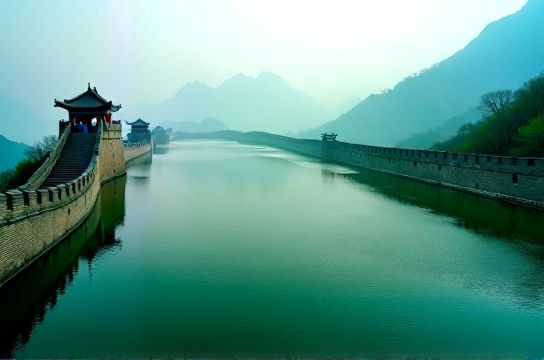
From the Great Wall snaking across mountains to the serene beauty of classical gardens in Suzhou, China’s 57 UNESCO sites (as of 2023) offer something for every kind of traveler: history buffs, photographers, wanderers, and soul-searchers alike.
Top 5 Must-Visit UNESCO Sites in China
- The Great Wall – More than just a wall, it's a symbol of resilience. Stretching over 21,000 km, this engineering miracle was built across centuries to protect ancient China.
- Forbidden City, Beijing – Home to 24 emperors, this imperial palace complex covers 72 hectares and contains 980 surviving buildings—a masterpiece of traditional Chinese palatial architecture.
- Mount Tai, Shandong – A sacred Taoist mountain where emperors performed heavenly rituals. At 1,545 meters, it offers both spiritual elevation and breathtaking sunrise views.
- Yungang Grottoes, Shanxi – Carved in the 5th century, these 45 caves house over 51,000 Buddhist statues, blending Indian, Central Asian, and Chinese artistry.
- West Lake, Hangzhou – Poets have praised its willow-fringed waters for centuries. This cultural landscape blends natural beauty with man-made pavilions and temples.
Quick Stats: China’s UNESCO Heritage at a Glance
| Category | Number of Sites |
|---|---|
| Cultural | 39 |
| Natural | 14 |
| Mixed (Cultural + Natural) | 4 |
| Total in China | 57 |
Compared globally, China ranks second—right after Italy—in the number of UNESCO sites, making it a heavyweight in world heritage.
Why These Sites Matter Today
These aren’t just relics. Places like Lijiang Ancient Town or the Longmen Grottoes show how harmony between humans and nature shaped Chinese philosophy. Visiting them helps us understand values like balance, respect for ancestors, and living in tune with the seasons.
Bonus? Many sites are now using tech to enhance your visit—think augmented reality tours at the Terracotta Army or digital reconstructions of lost palace halls.
Pro Tips for Authentic Exploration
- Go early: Beat crowds at the Forbidden City by entering at opening time (8:30 AM).
- Stay local: Book a homestay near Pingyao Ancient City to experience Ming-era streets without the rush.
- Travel slow: Spend two days hiking different Great Wall sections—Mutianyu for beauty, Jinshanling for adventure.
Exploring UNESCO sites in China isn’t about ticking boxes. It’s about feeling the weight of history under your feet and coming away changed. So pack your curiosity—and maybe a good pair of walking shoes.