
Experience Chinese Cultural Traditions at UNESCO Sites
- Date:
- Views:203
- Source:The Silk Road Echo
China is a treasure chest of ancient wisdom, where millennia-old traditions come alive amid breathtaking landscapes and architectural wonders. If you're dreaming of a journey that blends history, culture, and soul-stirring beauty, look no further than China’s UNESCO World Heritage Sites. These aren’t just tourist spots—they’re living testaments to a civilization that shaped the world.
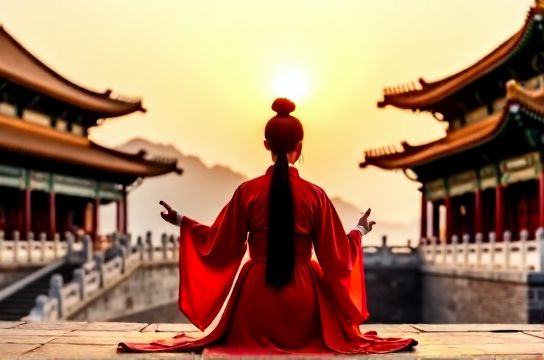
Why UNESCO Sites in China Are Must-Visit Destinations
With over 50 UNESCO-listed locations, China boasts one of the richest cultural portfolios on Earth. From the Great Wall snaking across mountains to the serene Forbidden City in Beijing, each site tells a story of emperors, philosophers, warriors, and artisans who defined Chinese identity.
But here’s the real magic: these places aren’t frozen in time. You can sip tea with monks at a temple complex, watch traditional calligraphy demonstrations, or join locals during seasonal festivals. That’s what makes visiting them so powerful—it’s not just sightseeing; it’s experiencing culture in motion.
Top 5 UNESCO Sites for Cultural Immersion
Let’s dive into some of the most culturally rich sites where tradition isn’t just preserved—it’s practiced.
| Site | Location | Year Inscribed | Cultural Highlight |
|---|---|---|---|
| Forbidden City | Beijing | 1987 | Imperial court rituals & palace life |
| Temple of Confucius (Qufu) | Shandong | 1994 | Confucian philosophy & ancestral rites |
| Mount Tai | Shandong | 1987 | Taoist pilgrimage & sunrise ceremonies |
| West Lake (Hangzhou) | Zhejiang | 2011 | Poetry, gardens & dragon boat festivals |
| Dunhuang Mogao Caves | Gansu | 1987 | Buddhist art & Silk Road heritage |
How to Truly Connect With Tradition
Sure, snapping photos is fun—but go deeper. At the Dunhuang Mogao Caves, take a guided audio tour narrated by scholars explaining Buddhist parables painted 1,000 years ago. In Qufu, attend the early morning ceremony at the Temple of Confucius, where descendants still honor their ancestor with music and offerings.
And don’t miss West Lake during the Mid-Autumn Festival. Locals gather to float lanterns, recite poetry, and share mooncakes under the full moon—a tradition dating back to the Tang Dynasty.
Travel Tips for a Meaningful Journey
- Best Time to Visit: Spring (April–May) and Autumn (September–October) offer mild weather and fewer crowds.
- Local Etiquette: Bow slightly when entering temples, dress modestly, and ask before photographing people.
- Pro Tip: Hire local guides—they often share stories you won’t find in guidebooks.
Remember, these sites are sacred spaces, not theme parks. Respect goes a long way in earning smiles and invitations to join in.
Final Thoughts
Exploring China’s UNESCO sites isn’t about checking boxes. It’s about stepping into a living culture—one that values harmony, respect, and continuity. Whether you’re walking the same stones as Ming emperors or meditating in a thousand-year-old monastery, you’re not just visiting history. You’re becoming part of it.
So pack your curiosity (and comfy shoes), and get ready to experience Chinese cultural traditions like never before.