
Immerse in Chinese Cultural Experiences at UNESCO Sites
- Date:
- Views:200
- Source:The Silk Road Echo
China isn’t just about skyscrapers and high-speed trains — it’s a living museum of ancient wisdom, spiritual depth, and jaw-dropping artistry. With over 50 UNESCO World Heritage Sites, the country offers travelers not just photo ops, but soul-stirring cultural immersion. From the echoing steps along the Great Wall to the silent serenity of Buddhist grottoes, these sites aren’t relics — they’re invitations to step into another world.
Why UNESCO Sites in China Are Cultural Goldmines
China ranks third globally in UNESCO sites (56 as of 2024), blending natural wonders with profound human history. But what makes them special? It’s the living culture. Unlike some heritage spots frozen in time, many Chinese sites are still part of daily rituals, festivals, and traditions.
Imagine sipping tea in Suzhou’s classical gardens while a qin zither plays in the distance, or watching locals perform tai chi at dawn near the Temple of Heaven. These aren’t staged shows — they’re authentic moments passed down for generations.
Top 3 Must-Visit Cultural UNESCO Sites
1. The Great Wall (1987)
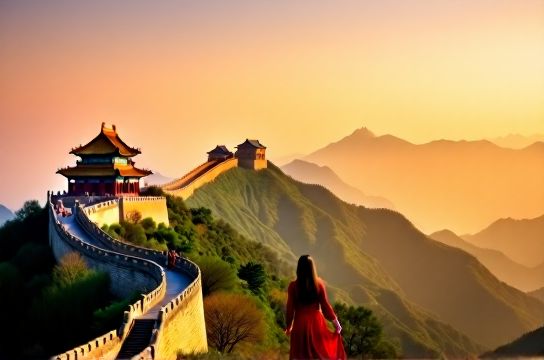
Spanning over 13,000 miles, this marvel isn’t just bricks and mortar — it’s a symbol of perseverance. Walk the Mutianyu section for fewer crowds and lush views. Pro tip: Visit in autumn when maple leaves set the mountains ablaze.
2. Forbidden City, Beijing (1987)
Home to 24 emperors over nearly 500 years, this palace complex is a masterclass in feng shui and imperial power. Don’t miss the seasonal exhibit on court life — complete with recreated banquets and dragon robes.
3. Mogao Caves, Dunhuang (1987)
Nestled in the Gobi Desert, these 735 caves house 45,000 square meters of Buddhist murals. The colors? Still vibrant after 1,000 years. Book a guided VR tour to see digitally restored frescoes invisible to the naked eye.
Hidden Gems Off the Beaten Path
- Kaiyuan Temple (Quanzhou): A testament to China’s maritime Silk Road legacy, where Hindu, Islamic, and Confucian symbols coexist.
- Hongcun Village: This Anhui village inspired the animated film Spirited Away. Its moon pond reflects white-walled homes like a watercolor painting.
Cultural Etiquette Tips for Visitors
Respect goes a long way. Bow slightly when entering temples, avoid touching ancient artifacts, and always ask before photographing locals. In religious sites like Lhasa’s Potala Palace, dress modestly and speak softly.
Quick Stats: China’s UNESCO Cultural Highlights
| Site | Year Listed | Visitor Count (Annual) | Unique Feature |
|---|---|---|---|
| Great Wall | 1987 | 10.6 million | Visible from space |
| Forbidden City | 1987 | 17 million | 9,999 rooms |
| Mogao Caves | 1987 | 1.2 million | 10-story Buddha statue |
| Hongcun Village | 2000 | 800,000 | 700-year-old water system |
Travel with purpose. Support local guides, buy handmade crafts, and tread lightly. These sites aren’t just China’s pride — they belong to humanity. So lace up your shoes, bring curiosity, and let the past welcome you.