
Uncover the Essence of Chinese Cultural Experiences Through Festivals
- Date:
- Views:231
- Source:The Silk Road Echo
Want to truly feel China? Skip the guidebooks for a sec. The real magic isn’t just in the Great Wall or dumplings (though, yes, eat all the dumplings). It’s pulsing through the streets during its legendary festivals. These aren’t just holidays—they’re living, breathing expressions of 5,000 years of tradition, family, and cosmic belief. Let’s dive into the heart of Chinese culture through its most vibrant celebrations.
Lunar New Year: More Than Just Red Envelopes
Kicked off by the lunar calendar, usually between January 21 and February 20, Lunar New Year—also known as Spring Festival—is China’s biggest cultural explosion. Think fireworks that light up every skyline, families reuniting across provinces (hello, world’s largest human migration!), and red everywhere—symbolizing luck and warding off the mythical beast Nian.
Beyond the lion dances and firecrackers, it’s about renewal. Homes are deep-cleaned to sweep away bad luck, and elders hand out hongbao (red envelopes) with money to bless the young. Food? Oh, it’s serious. Northern families swear by dumplings (shaped like ancient gold ingots), while southerners favor glutinous rice cakes (niangao)—a pun for “higher year,” meaning prosperity.
Mid-Autumn Festival: When the Moon Tells a Story
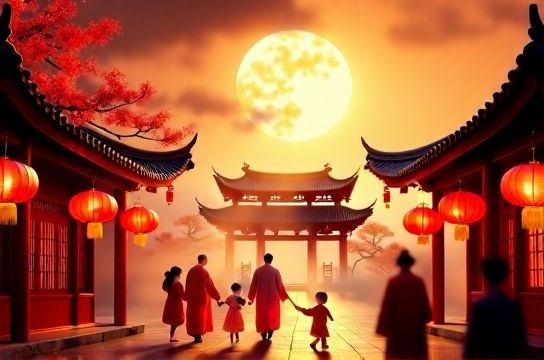
Held on the 15th day of the 8th lunar month (usually September), this one’s pure poetry. Families gather under the brightest full moon of the year to share mooncakes—dense pastries with sweet fillings like lotus seed or salted egg yolk. But it’s not just dessert; it’s a tribute to the legend of Chang’e, the moon goddess who soared into the sky after drinking an elixir of immortality.
This festival is all about reunion and gratitude. Even if you’re not with family, you’ll feel the collective pause—lanterns glow in parks, kids parade with glowing rabbits, and the air hums with quiet reflection.
Festival Snapshot: Key Dates & Traditions
| Festival | Timing (Lunar Calendar) | Key Symbol | Main Tradition |
|---|---|---|---|
| Lunar New Year | 1st Day, 1st Month | Red Decorations | Family Reunion Dinner, Fireworks |
| Mid-Autumn Festival | 15th Day, 8th Month | Mooncake | Moon Gazing, Lanterns |
| Dragon Boat Festival | 5th Day, 5th Month | Zongzi | Racing Long Boats |
Why These Festivals Matter Today
In our fast-paced world, these festivals are anchors. They connect generations, reinforce values like filial piety and harmony, and remind everyone—locals and travelers alike—that life isn’t just about moving forward, but honoring where we came from.
So next time you plan a trip to China, time it with a festival. Don’t just watch—join the drumbeat of a dragon dance, taste the sticky sweetness of zongzi, or make a wish under the mid-autumn moon. That’s when you don’t just visit China—you experience it.