
Unforgettable Chinese Cultural Experiences at UNESCO Sites
- Date:
- Views:223
- Source:The Silk Road Echo
China is a goldmine for culture lovers. With over 50 UNESCO World Heritage Sites, it’s like stepping into a living history book — one that’s still being written. From ancient temples to imperial palaces, these sites aren’t just postcard-perfect backdrops; they’re gateways to unforgettable cultural experiences. Let’s dive into some must-visit spots where tradition breathes through every stone and story.
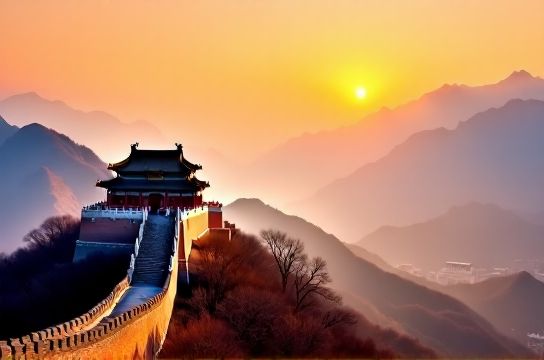
Walk Through Time: The Forbidden City, Beijing
The Forbidden City isn’t just a palace — it’s a 600-year-old power center that housed 24 emperors. Spanning 180 acres with 980 surviving buildings, it’s the largest wooden structure complex in the world. Wander through the Hall of Supreme Harmony, where coronations once took place, or catch the changing of the guard reenactment near Meridian Gate.
Pro tip: Visit early morning to beat the crowds and capture golden-hour photos without a million selfie sticks in the way.
Meet the Warriors: Terracotta Army, Xi’an
No list of Chinese wonders is complete without the Terracotta Army. Discovered in 1974 by farmers digging a well, this underground army of over 8,000 life-sized soldiers was built to protect Emperor Qin Shi Huang in the afterlife. Each warrior has unique facial features — talk about attention to detail!
| Site | Year Inscribed | Visitor Count (Annual) | Key Fact |
|---|---|---|---|
| Forbidden City | 1987 | 17 million | Largest ancient palace complex |
| Terracotta Army | 1987 | 6.5 million | Over 8,000 warriors and horses |
| Great Wall | 1987 | 10 million+ | Longest wall in the world (~21,000 km) |
| Mount Tai | 1987 | 3 million | Sacred Taoist mountain with 7,000+ inscriptions |
Scale History: Hiking the Great Wall
The Great Wall isn’t just a wall — it’s a symbol of resilience. Stretching across deserts, mountains, and grasslands, the best-preserved section at Badaling gets packed, but try Mutianyu or Jinshanling for quieter vibes and jaw-dropping views. Locals say walking the Wall is like tracing the spine of China — rugged, enduring, and full of surprises.
Spiritual Sojourn: Mount Tai, Shandong
Climb Mount Tai at sunrise and you’ll understand why emperors came here for centuries to perform sacred Fengshan rituals. It’s not just a hike — it’s a pilgrimage. Over 6,000 steps lead to the summit, where mist swirls around ancient temples and poets’ inscriptions cover the rocks. Don’t miss the Dai Temple at the base — a masterpiece of Chinese architecture.
Whispers of the Past: Leshan Giant Buddha
Carved into a cliff face during the Tang Dynasty, this 71-meter-tall Buddha overlooks the confluence of three rivers. It took 90 years to build and was designed to calm turbulent waters. Today, boat rides offer epic views, but hiking down the stone path beside it gives you a true sense of its colossal scale.
Culture Beyond Stone
These sites aren’t frozen in time — they’re alive with festivals, calligraphy demos, and tea ceremonies. In Suzhou’s classical gardens, listen to pipa music drifting through lotus ponds. At the Longmen Grottoes, watch artisans restore Buddhist carvings with techniques passed down for generations.
So pack your curiosity (and comfy shoes). Whether you’re marveling at Ming dynasty craftsmanship or meditating on a sacred peak, China’s UNESCO sites offer more than sights — they offer soul.