
Experience Traditional Festivals China Rich Heritage Alive Today
- Date:
- Views:236
- Source:The Silk Road Echo
Want to dive into the soul of Chinese culture? Skip the textbooks—just follow the festivals. From dragon dances under red lanterns to mooncakes under autumn skies, traditional festivals in China aren’t just celebrations—they’re living stories passed down through centuries. And guess what? You can experience them all, firsthand.
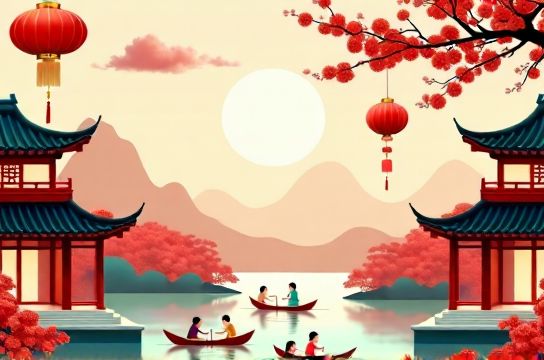
Why Chinese Festivals Are a Traveler’s Dream
China isn’t just about skyscrapers and high-speed trains. At its heart beats a rhythm shaped by lunar cycles, ancient myths, and family bonds. Over 50 ethnic groups contribute to this cultural mosaic, but a few major festivals stand out for their nationwide impact and visual drama.
These events blend spirituality, food, music, and community in ways that feel both mystical and deeply human. Whether you're feasting during Lunar New Year or racing dragon boats on a summer lake, you're not just watching—you're participating in history.
The Top 4 Must-See Festivals
If you’re planning a trip around authentic cultural experiences, these four festivals should be on your radar:
| Festival | Time (Lunar Calendar) | Duration | Key Activities |
|---|---|---|---|
| Spring Festival (Chinese New Year) | 1st day of 1st lunar month | 7–15 days | Family reunions, firecrackers, red envelopes, lion dances |
| Dragon Boat Festival | 5th day of 5th lunar month | 1 day (public holiday) | Dragon boat races, zongzi eating, herb pouches |
| Mid-Autumn Festival | 15th day of 8th lunar month | 1–3 days | Moon gazing, mooncakes, family dinners |
| Qingming Festival (Tomb-Sweeping Day) | April 4–6 (Gregorian) | 1 day | Ancestor worship, spring outings, willow decorations |
Inside the Magic: What Makes Each One Unique
Chinese New Year is the big one. Think Super Bowl meets Thanksgiving on steroids. Over 1.4 billion people celebrate it, making it the world’s largest annual human migration—yes, really. The air buzzes with firecrackers meant to scare away the mythical beast ‘Nian,’ while red decorations symbolize luck and prosperity.
Pro tip: Head to Beijing’s Temple Fairs or Guangzhou’s flower markets for an overload of color, scent, and sound.
The Dragon Boat Festival honors Qu Yuan, a poet who drowned himself in protest. Today, teams race long, narrow boats carved like dragons, paddling furiously to drumbeats. It’s intense, poetic, and surprisingly athletic. Try the sticky rice dumplings called zongzi—they come wrapped in bamboo leaves and filled with everything from salted egg yolk to pork.
Mid-Autumn Festival is all about harmony. Families gather under the full moon, sharing mooncakes—rich pastries often packed with lotus seed paste or red bean. In cities like Hangzhou, lakeside parks glow with lantern displays. It’s romantic, reflective, and delicious.
And then there’s Qingming Festival, a quieter but equally powerful moment. People clean ancestral graves, burn joss paper, and enjoy the first warmth of spring. It’s a beautiful reminder that life and nature are deeply connected.
Travel Tips for Festival Season
- Book early: Trains and hotels fill up fast during Spring Festival.
- Dress red during Lunar New Year—it’s lucky!
- Learn a few phrases like “Xīnnián kuàilè” (Happy New Year) to win smiles.
- Go local: Smaller towns often have more authentic celebrations than big cities.
Experiencing traditional festivals in China isn’t just sightseeing—it’s time travel with snacks. These events keep ancient values alive while inviting everyone to join in. So pack your curiosity (and maybe some noise-canceling earbuds for those firecrackers), and get ready to feel part of something much bigger than tourism.