
Uncover Chinese Cultural Experiences at UNESCO World Heritage Sites
- Date:
- Views:185
- Source:The Silk Road Echo
China isn’t just about skyscrapers and high-speed trains — it’s a living museum of ancient wisdom, spiritual depth, and architectural brilliance. With 57 UNESCO World Heritage Sites, China ranks second globally, offering travelers not just sightseeing, but soul-stirring cultural immersion. From the echoing chants of Buddhist monks to the silent majesty of imperial palaces, these sites are gateways into 5,000 years of civilization.
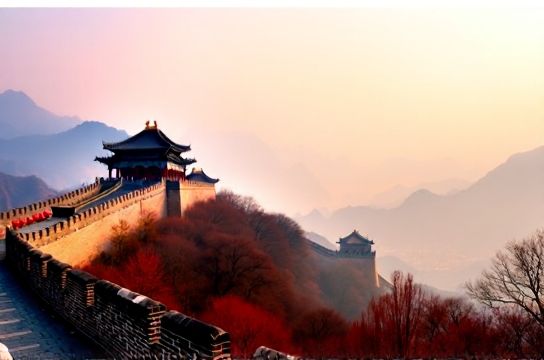
Why China’s UNESCO Sites Are Cultural Goldmines
Forget generic tourism. These locations offer real, tactile experiences: walking the Great Wall where emperors once stood, meditating in Shaolin Temple where kung fu was born, or tasting tea picked from Longjing fields older than your hometown. They’re not frozen in time — they’re vibrantly alive.
Let’s break down some must-visit cultural gems with data that speaks volumes:
Top 5 Must-Visit Cultural Sites & Visitor Insights
| Site | Year Inscribed | Annual Visitors (Est.) | Key Cultural Experience |
|---|---|---|---|
| The Great Wall | 1987 | 10 million+ | Hiking ancient watchtowers with panoramic views of northern China |
| Forbidden City, Beijing | 1987 | 17 million | Walking through 999-room imperial palace, learning Ming & Qing dynasty court life |
| Temple of Heaven | 1998 | 6 million | Witnessing morning tai chi sessions and ancient harvest rituals |
| Mount Lu (Lushan) | 1996 | 3.5 million | Exploring poet-pilgrimage trails and Taoist temples amid misty peaks |
| West Lake, Hangzhou | 2011 | 8 million | Serene boat rides inspired by classical Chinese paintings |
Go Beyond the Guidebook: Unique Cultural Moments
Want to feel like more than a tourist? Here’s how:
- Join a tea ceremony at West Lake – The dragon well (Longjing) tea grown here has been imperial tribute since the Tang Dynasty. Locals say the first sip is sweet, the second is floral, the third tells stories.
- Train with Shaolin monks (even for a day) – Though not on the main list above, this cultural powerhouse draws thousands yearly. Morning kung fu classes open to visitors make for a life-changing sunrise.
- Write calligraphy at Confucius Temple, Qufu – Home to over 100,000 stone inscriptions, this site lets you dip your brush in ink and channel ancient scholars.
Travel Tips That Keep It Real
• Best time to visit? April–May and September–October. Mild weather, fewer crowds.
• Beat the crowds: Arrive at major sites by 7:30 AM. You’ll have photo-perfect moments before the tour buses roll in.
• Dress code? Modest clothing for temples. Comfortable shoes are non-negotiable — you’ll walk more than you think.
These aren’t just destinations — they’re invitations to slow down, reflect, and connect. Whether you're tracing emperors’ footsteps or sharing a smile with a local artisan, China’s UNESCO sites don’t just showcase culture — they let you live it.