
UNESCO Sites China Rich Heritage Across Millennia
- Date:
- Views:273
- Source:The Silk Road Echo
China isn't just a country—it's a living museum. With over 5,000 years of continuous civilization, it’s no wonder that the Middle Kingdom boasts some of the most breathtaking UNESCO World Heritage Sites on Earth. From the Great Wall snaking across northern mountains to the serene beauty of classical Suzhou gardens, these sites aren’t just tourist spots—they’re time machines.
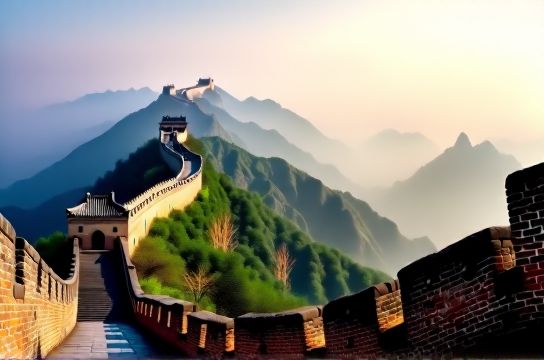
As of 2024, China ranks second globally with 57 UNESCO World Heritage Sites—39 cultural, 14 natural, and 4 mixed. That’s more than Italy or France in sheer diversity. Whether you're a history buff, nature lover, or Instagram explorer, there's something here that’ll blow your mind.
Top 5 Must-See UNESCO Sites in China
- The Great Wall – Built over centuries, this 13,000-mile marvel was inscribed in 1987. Only about 10% is restored; hiking wild sections like Jiankou offers epic views and zero crowds.
- Forbidden City, Beijing – Home to 24 emperors, this 180-acre palace complex dazzles with golden roofs and intricate symbolism. Over 17 million visited in 2023 alone.
- Mount Huangshan (Yellow Mountain) – A painter’s dream. Its granite peaks, pine trees, and sea of clouds inspired centuries of Chinese art. It’s also a biodiversity hotspot.
- Chengdu Panda Sanctuaries – Not just cute faces. These reserves protect over 30% of the world’s wild giant pandas and are key to conservation science.
- Longmen Grottoes, Luoyang – Carved between 493–1127 AD, these Buddhist statues number over 100,000. Some are as small as an inch; others tower 56 feet tall.
Quick Stats: China’s UNESCO Breakdown
| Category | Number of Sites | Notable Examples |
|---|---|---|
| Cultural | 39 | Forbidden City, Terracotta Army, Lijiang Old Town |
| Natural | 14 | Zhangjiajie, Jiuzhaigou Valley, Hoh Xil |
| Mixed (Cultural + Natural) | 4 | Mount Tai, Mount Emei & Leshan Giant Buddha |
Want to travel like a pro? Here’s a tip: avoid national holidays like Golden Week (Oct 1–7) when sites get flooded. Instead, visit in spring (April–May) or autumn (September–October). Shoulder seasons mean better photos and breathable air.
And don’t sleep on underrated gems. Take Hani Rice Terraces in Yunnan—carved into mountains over 1,300 years ago by an ethnic minority. The way mist rolls over the cascading fields at sunrise? Pure magic.
Bottom line: China’s UNESCO sites aren’t just about ancient glory. They’re proof of resilience, creativity, and harmony with nature. So pack your curiosity (and comfy shoes), and step into a story thousands of years in the making.