
UNESCO Sites China Revealing the Soul of a 5000 Year Civilization
- Date:
- Views:182
- Source:The Silk Road Echo
If you’ve ever dreamed of walking through time, China’s UNESCO World Heritage Sites are your golden ticket. With over 50 official listings, these spots aren’t just tourist traps — they’re living testaments to a civilization that’s thrived for over five millennia.
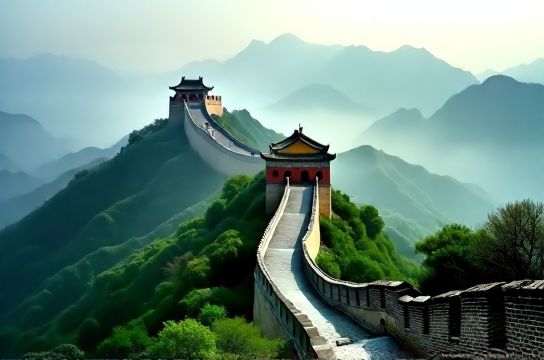
From the echoing silence of the Terracotta Army to the misty peaks of Huangshan, each site whispers stories of emperors, scholars, and spiritual seekers. But which ones truly capture the soul of ancient China? Let’s dive in.
The Heavy Hitters: Must-See UNESCO Gems
The Great Wall needs no introduction. Stretching over 13,000 miles, it’s not just a wall — it’s a spine running through Chinese history. Built across centuries, mainly during the Ming Dynasty, it protected dynasties and shaped national identity.
Then there’s Forbidden City in Beijing. Home to 24 emperors, this 720,000-square-meter palace complex is a masterclass in symmetry, symbolism, and imperial power. Did you know it has exactly 9,999 rooms? (Because only heaven could have 10,000.)
And who can forget Xi’an’s Terracotta Warriors? Buried with Emperor Qin Shi Huang, over 8,000 life-sized soldiers guard his afterlife. Recent excavations suggest only 30% have been unearthed — imagine what’s still underground!
Hidden Treasures Beyond the Brochures
Sure, everyone visits the big names. But for a deeper connection, head to Mount Emei and Leshan Giant Buddha. Carved in the 8th century, the 71-meter-tall Buddha watches over three rivers. It took 90 years to build — talk about dedication!
Or explore Fujian Tulou, the ‘earth buildings’ of the Hakka people. These massive circular homes housed entire clans and withstood sieges, earthquakes, and time itself. Some are still lived in today!
Quick Stats: Top 5 UNESCO Sites in China
| Site | Year Listed | Visitors (Annual) | Historical Era |
|---|---|---|---|
| Great Wall | 1987 | 10 million+ | Ming Dynasty & earlier |
| Forbidden City | 1987 | 17 million | Ming & Qing Dynasties |
| Terracotta Army | 1987 | 6 million | Qin Dynasty |
| Leshan Giant Buddha | 1996 | 3 million | Tang Dynasty |
| Fujian Tulou | 2008 | 1.5 million | Ming & Qing |
This table shows more than numbers — it reveals how deeply these sites remain woven into modern life.
Why These Sites Matter Today
They’re not relics. They’re reminders. In a world racing toward AI and metaverses, these places ground us. They teach resilience, artistry, and harmony with nature — values China still honors.
Plus, visiting them supports preservation. UNESCO funding goes directly into conservation, ensuring your grandkids can also stand beneath the Great Buddha in awe.
So pack your curiosity, not just your camera. Walk the same stones as emperors. Touch walls older than your country. That’s not travel — that’s transformation.