
Explore UNESCO Sites China with Deep Cultural Travel Insights
- Date:
- Views:183
- Source:The Silk Road Echo
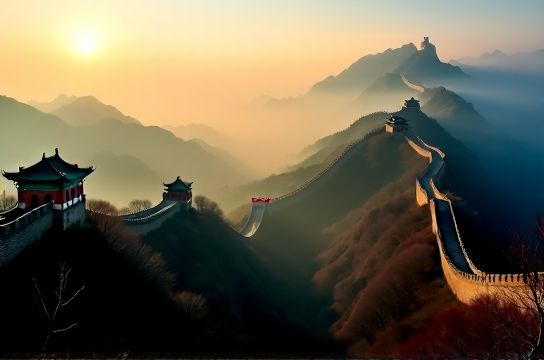
China isn’t just a country—it’s a living museum. With over 50 UNESCO World Heritage Sites, it’s one of the richest cultural landscapes on Earth. From the Great Wall snaking across northern mountains to the serene elegance of classical Suzhou gardens, these sites aren’t just tourist spots—they’re time machines.
Why UNESCO Sites in China Are a Must-Visit
UNESCO recognition isn’t handed out lightly. Each site must demonstrate outstanding universal value. In China, that means ancient philosophies etched into architecture, dynasties preserved in stone, and spiritual traditions still alive today.
Did you know? China ranks second globally in UNESCO sites—only behind Italy. As of 2024, it has:
- 39 cultural sites
- 14 natural sites
- 4 mixed (both cultural & natural)
Top 5 UNESCO Gems You Can’t Miss
| Site | Type | Year Listed | Visitor Tips |
|---|---|---|---|
| The Great Wall | Cultural | 1987 | Visit Mutianyu section—less crowded, stunning views |
| Forbidden City, Beijing | Cultural | 1987 | Book tickets online; go early to beat crowds |
| Mount Huangshan | Mixed | 1990 | Hike at sunrise for sea of clouds effect |
| Chengdu Panda Sanctuaries | Natural | 2006 | Volunteer programs available for animal lovers |
| West Lake, Hangzhou | Cultural | 2011 | Bike around the lake at dusk—pure magic |
This isn’t just sightseeing—it’s soul-stirring travel. Imagine walking where emperors once ruled or meditating in a temple older than your country.
Go Deeper: Beyond the Brochure
Most tourists hit the highlights. But real cultural depth comes from context. Take the Terracotta Army in Xi’an: yes, the 8,000+ life-sized soldiers are jaw-dropping. But here’s the kicker—each face is unique. These weren’t mass-produced statues; they were portraits of real soldiers who served Qin Shi Huang.
Pro tip: Hire a local guide who speaks your language. Their stories bring history to life in ways no audio tour can.
Travel Smart: Beat the Crowds & Respect the Culture
China’s top sites draw millions. The Forbidden City sees over 17 million visitors annually. To avoid the crush:
- Visit during shoulder seasons (April–May or September–October)
- Avoid Chinese public holidays like National Day (Oct 1–7)
- Use China’s high-speed rail—cities like Pingyao and Lijiang are now just hours apart
And remember: these places aren’t photo backdrops. They’re sacred spaces. Keep voices low, don’t touch ancient walls, and always ask before photographing locals.
Final Thoughts: Travel with Purpose
Exploring UNESCO sites in China isn’t about checking boxes. It’s about connection—connecting with history, nature, and humanity. Whether you’re tracing Buddhist sutras in the Mogao Caves or sipping tea by West Lake, you’re not just visiting China. You’re experiencing its soul.
So pack light, stay curious, and let these ancient wonders change the way you see the world.