
Walking Through Time: Discovering the Soul of Ancient Towns in China
- Date:
- Views:313
- Source:The Silk Road Echo
Ever felt like stepping into a real-life history book? That’s exactly what wandering through China’s ancient towns feels like. Forget crowded malls and neon-lit streets—here, time slows down. Stone pathways whisper stories, wooden eaves drip with centuries of rain, and every alley seems to guard a secret. If you’ve ever dreamed of escaping the modern world, even just for a day, these timeless spots are your ticket back in time.
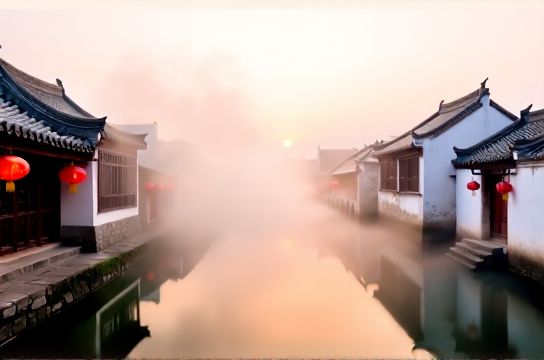
Take Lijiang in Yunnan, for example. Nestled among misty mountains, this UNESCO World Heritage site isn’t just pretty—it’s alive with culture. Naxi locals still go about their daily lives as they have for generations, weaving, cooking, and playing traditional dongjing music in quiet courtyards. Walk along the canals lined with willow trees, and you’ll swear you’ve entered a Chinese ink painting.
Then there’s Pingyao in Shanxi—a walled city frozen in Ming Dynasty glory. With over 2,700 years of history, its cobblestone streets are packed with old banks, temples, and courtyard homes that once hosted wealthy merchants. At night, lanterns glow softly against gray stone walls, turning the town into something out of a dream.
But it’s not all about looks. What makes these places truly special is the soul they carry. In Wuzhen, a water town in Zhejiang, boats glide silently down narrow canals while elders sip tea by the riverside. It’s peaceful, authentic, and refreshingly untouched by mass tourism—at least in the quieter corners.
And let’s not forget Hongcun in Anhui. Surrounded by hills and mirrored perfectly in a moon-shaped lake, this village looks like it was designed by poets. Its Hui-style architecture—with white walls, black tiles, and intricate carvings—is pure visual poetry.
Travelers today crave more than just photo ops. They want connection. Meaning. And that’s exactly what China’s ancient towns offer—not just a glimpse into the past, but a chance to feel it. You don’t need a time machine; just good walking shoes and an open heart.
Whether you're sipping baijiu in a family-run guesthouse or bargaining for handmade crafts at a morning market, these towns pull you in. They remind us that progress doesn’t have to mean leaving tradition behind.
So next time you plan a trip, skip the usual hotspots. Dive into the quiet magic of China’s old streets. Let the past surprise you. After all, history isn’t just written in books—it’s carved into stone, painted on walls, and lived in every smile from a local grandmother selling rice cakes.
These aren’t just destinations. They’re feelings. And once you’ve walked through them, you’ll carry them with you long after you leave.