
Traditional Festivals China Vibrant Living Customs
- Date:
- Views:197
- Source:The Silk Road Echo
China’s traditional festivals aren’t just about fireworks and dumplings—they’re living stories, passed down through generations like a warm family recipe. From the roaring lion dances of Spring Festival to the poetic moon gazing during Mid-Autumn, these celebrations offer a colorful window into Chinese culture, values, and community spirit.
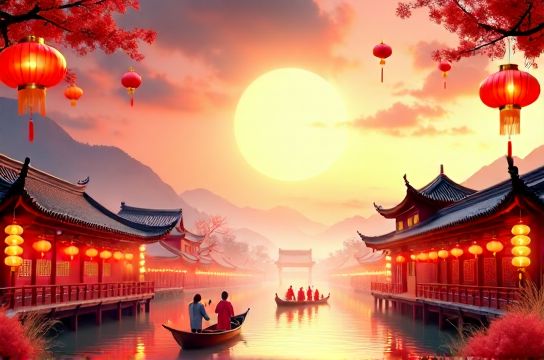
If you’ve ever wondered why millions flood train stations every January or why rivers glow with lanterns in autumn, let’s dive into the heartbeat of China’s most beloved festivals—with real data, cultural insights, and a touch of storytelling magic.
The Big Four: China’s Most Celebrated Festivals
While China has dozens of regional and ethnic festivals, four stand out for their nationwide impact and deep-rooted traditions.
| Festival | Timing (Lunar Calendar) | Key Activities | Travel Volume (Approx.) |
|---|---|---|---|
| Spring Festival (Chinese New Year) | 1st day of 1st lunar month | Reunion dinners, red envelopes, firecrackers | 3 billion trips (2023) |
| Qingming Festival | April 4–6 (solar calendar) | Grave sweeping, spring outings | 130 million trips |
| Dragon Boat Festival | 5th day of 5th lunar month | Racing boats, eating zongzi | 85 million trips |
| Mid-Autumn Festival | 15th day of 8th lunar month | Mooncake sharing, lanterns, family reunions | 120 million trips |
Yes, you read that right—over 3 billion trips during Chinese New Year! That’s the world’s largest annual human migration, known as Chunyun. It shows how deeply family and tradition are woven into the national fabric.
More Than Just Holidays: What These Festivals Really Mean
Each festival carries symbolic weight. Take zongzi—those sticky rice bundles wrapped in bamboo leaves. They’re not just tasty; they honor Qu Yuan, a patriotic poet who drowned himself in protest over 2,000 years ago. The dragon boat races? A reenactment of villagers racing to save him.
And the mooncakes? Beyond their sweet fillings, they once carried secret messages during the Yuan Dynasty, helping rebels coordinate an uprising. Today, giving mooncakes is less about rebellion and more about saying, “I’m thinking of you.”
Why These Traditions Still Thrive
In a fast-paced digital age, you might expect old customs to fade. But here’s the twist: they’re evolving, not disappearing. Young people now send digital red envelopes via WeChat—$4.5 billion was transferred during Lunar New Year 2023 alone!
Cities like Hangzhou and Chengdu blend ancient rituals with modern flair—lantern festivals with drone shows, AI-powered temple fairs, and Instagrammable mooncake designs. Tradition isn’t frozen; it’s fluid, vibrant, and very much alive.
Pro Tips for Experiencing Chinese Festivals Like a Local
- Plan early: Trains and hotels book up months ahead, especially for Spring Festival.
- Try making zongzi or dumplings: Join a local cooking class—it’s fun and delicious.
- Respect the symbolism: Giving clocks as gifts during New Year? Big no-no (it sounds like “attending a funeral”).
- Visit smaller cities: Less touristy spots like Pingyao or Yangshuo offer authentic experiences.
At the end of the day, China’s festivals are about connection—between past and present, family and friends, earth and sky. They remind us that even in a globalized world, local customs can still spark joy, meaning, and a whole lot of flavor.