
Traditional Festivals China Celebrate Living Heritage Today
- Date:
- Views:224
- Source:The Silk Road Echo
China's traditional festivals aren't just about fireworks and feasts—they're living threads connecting ancient customs to modern life. From bustling city streets to quiet village courtyards, these celebrations breathe cultural soul into the nation’s heartbeat. Let’s dive into the vibrant world of Chinese festivals, where heritage meets harmony.
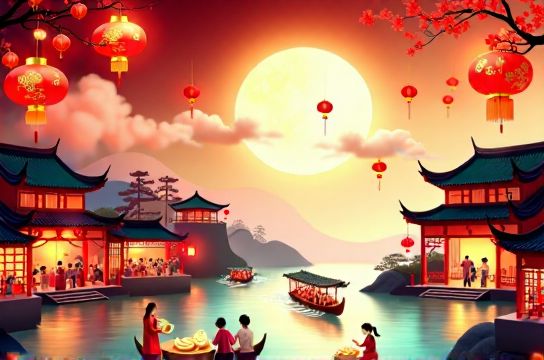
The Big Four: China’s Most Celebrated Festivals
If you’re new to Chinese culture, start here. These four festivals dominate the calendar—not just in scale, but in emotional weight and historical depth.
- Spring Festival (Chinese New Year) – The crown jewel of all celebrations.
- Mid-Autumn Festival – A poetic night of mooncakes and family reunions.
- Dragon Boat Festival – Paddles racing through history and legend.
- Qingming Festival – Where ancestors are honored with quiet reverence.
Festival Snapshot: Key Data at a Glance
Better than paragraphs? How about a clean, informative table showing what makes each festival tick:
| Festival | Timing (Lunar Calendar) | Main Activities | Cultural Significance | UNESCO Status |
|---|---|---|---|---|
| Spring Festival | 1st day of 1st lunar month | Reunion dinners, red envelopes, fireworks | New beginnings, family unity | Intangible Heritage (2009) |
| Mid-Autumn Festival | 15th day of 8th lunar month | Mooncake sharing, lantern displays | Harvest, family reunion under the full moon | Recognized nationally |
| Dragon Boat Festival | 5th day of 5th lunar month | Races, eating zongzi, hanging herbs | Honoring Qu Yuan, warding off disease | Intangible Heritage (2009) |
| Qingming Festival | April 4–6 (solar calendar) | Tomb sweeping, spring outings | Ancestral veneration, renewal of life | Recognized nationally |
This isn’t just tradition for tradition’s sake—it’s identity in action.
Why These Festivals Still Matter
In an age of digital overload, Chinese festivals offer something rare: presence. Whether it’s the clatter of firecrackers on New Year’s Eve or the hush of a family placing flowers on a grave during Qingming, these moments ground people in meaning.
And they’re evolving. Younger generations now blend old customs with new styles—think Instagrammable mooncake designs or eco-friendly paper offerings during Qingming. Tradition isn’t frozen; it flows.
Travel Tip: Experience Festivals Like a Local
Want to go beyond tourist hotspots? Here’s how:
- Visit smaller cities like Pingyao or Yangshuo during Spring Festival for authentic parades without the Beijing-Shanghai crowds.
- Join a local family for Mid-Autumn—if you have a friend or language partner, say yes to their invitation.
- Try making zongzi during Dragon Boat season. Many cultural centers offer workshops.
Pro tip: Download a lunar calendar app. It’ll help you plan around key dates that shift yearly.
Final Thought: More Than Just Holidays
China’s traditional festivals are acts of remembrance, joy, and resilience. They remind us that culture isn’t stored in museums—it lives in shared meals, whispered prayers, and children chasing lanterns at dusk. So next time you see a dragon dance winding through the streets, know you’re witnessing centuries of spirit, still very much alive.