
Journey Through Ancient Towns China and UNESCO Heritage
- Date:
- Views:264
- Source:The Silk Road Echo
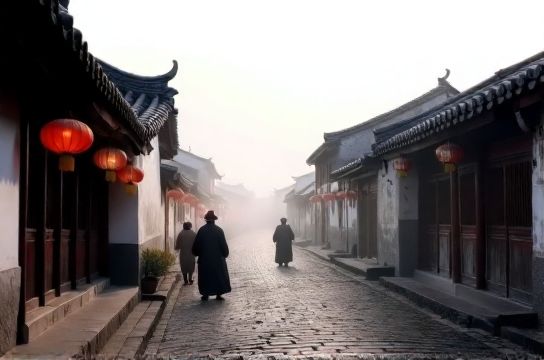
Ever dreamed of stepping into a real-life Chinese ink painting? Well, pack your bags—because Ancient Towns in China are where history breathes through cobblestone lanes, moon gates, and misty canals. From the stone bridges of Suzhou to the earthen towers of Fujian, these living relics aren’t just pretty backdrops—they’re UNESCO-certified treasures that tell 1,000-year stories.
Why China’s Ancient Towns Are UNESCO Gold
China boasts 57 UNESCO World Heritage Sites—second only to Italy. And guess what? Over a dozen are cultural landscapes rooted in ancient towns or their architectural wonders. These places earned their badges not just for beauty, but for preserving urban planning, water systems, and social harmony from dynasties long gone.
Take Lijiang in Yunnan: inscribed in 1997, this Naxi-minority town dazzles with its Ming-era layout following feng shui principles and an ingenious irrigation network still flowing today. Or Fujian Tulou, the massive Hakka earth buildings—communal homes shaped like giant mushrooms, resilient against bandits and earthquakes alike.
Top 5 Must-Visit Ancient Towns (and Why)
- Zhouzhuang, Jiangsu – The “Venice of the East” with 14 original stone bridges dating back to the 13th century.
- Huangyao, Guangxi – A hidden gem with karst mountains framing its Ming-Qing architecture.
- Xidi & Hongcun, Anhui – UNESCO-listed villages with white-walled, black-tiled houses reflecting in lotus ponds.
- Dali, Yunnan – Where Bai culture meets Himalayan views and cobbled alleys lined with tea houses.
- Pingyao, Shanxi – One of China’s best-preserved walled cities, once a financial hub during the Qing Dynasty.
By the Numbers: A Snapshot of China’s Heritage
| Town | UNESCO Year | Key Feature | Visitor Count (Annual) |
|---|---|---|---|
| Lijiang | 1997 | Naxi Culture & Water System | ~4.8 million |
| Pingyao | 1997 | Walled City & Ancient Banking | ~3.2 million |
| Xidi & Hongcun | 2000 | Huizhou Architecture | ~2.6 million |
| Fujian Tulou | 2008 | Earth Buildings | ~1.9 million |
Source: UNESCO & China National Cultural Heritage Administration
Travel Tips That Keep It Real
Pro tip: Skip weekends and holidays. Places like Zhouzhuang get flooded with tour groups. Go early morning—it’s magical when fog hovers over the canals and locals paddle wooden boats to market.
Also, don’t just snap photos. Try a homestay in Hongcun or take a calligraphy class in Pingyao. These experiences connect you to the soul of the place—not just the scenery.
The Future of China’s Ancient Towns
With tourism booming, preservation is key. Some towns face ‘over-commercialization’—think souvenir stalls replacing family-run teahouses. But thanks to strict UNESCO guidelines and local efforts, many are striking a balance. For instance, Lijiang now limits daily entries and bans high-rise buildings in the core zone.
In short, visiting these towns isn’t just a trip—it’s a responsibility. Be mindful, go slow, and let the stones whisper their stories.