
UNESCO Sites China Hidden Gems of Cultural Significance
- Date:
- Views:212
- Source:The Silk Road Echo
When people think of UNESCO World Heritage Sites in China, the Great Wall or the Terracotta Army usually come to mind. But beyond these famous icons lie lesser-known treasures—places steeped in history, culture, and breathtaking beauty that few travelers ever get to see. These hidden gems offer a deeper connection to China’s soul, where ancient traditions live on and stories echo through misty mountains and quiet courtyards.
Why Explore the Road Less Traveled?
Over 50 sites in China are recognized by UNESCO, yet only a handful attract the crowds. While the Forbidden City welcomes over 17 million visitors annually, places like Honghe Hani Rice Terraces or Tusi Sites remain refreshingly untouched. Exploring these underrated spots not only offers peace and authenticity but also supports sustainable tourism.
Top 3 Underrated UNESCO Sites You Should Know
1. Honghe Hani Rice Terraces (Yunnan)
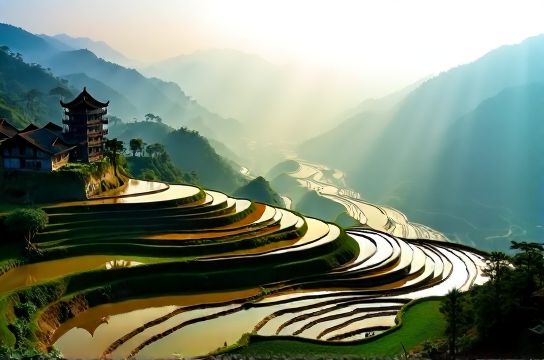
Nestled in Yunnan’s Ailao Mountains, this 1,300-year-old agricultural marvel is more than just stunning scenery—it's a living cultural landscape. The Hani people have maintained these terraces using gravity-fed irrigation systems passed down for generations.
- Location: Yuanyang County, Yunnan
- UNESCO Listed: 2013
- Best Time to Visit: November–April (water-filled terraces reflect the sky)
2. Tusi Sites (Multiple Provinces)
Scattered across Hunan, Hubei, and Guizhou, the Tusi system reflects a unique form of governance used from the 13th to 20th century by local chieftains under imperial rule. The Laosicheng Ruins in Hunan are particularly well-preserved.
3. Kaiping Diaolou and Villages (Guangdong)
These fortified towers blend Chinese and Western architecture, built by overseas Chinese returning home in the early 20th century. With over 1,800 diaolou scattered across rural Guangdong, it's a fascinating fusion of cultures.
Quick Comparison: Hidden vs. Famous Sites
| Site | Annual Visitors | UNESCO Year | Cultural Value |
|---|---|---|---|
| Great Wall (Badaling) | 10 million+ | 1987 | Symbols of defense & unity |
| Honghe Hani Terraces | ~300,000 | 2013 | Sustainable agrarian culture |
| Kaiping Diaolou | ~500,000 | 2007 | Sino-Western architectural blend |
| Tusi Sites | ~200,000 | 2015 | Indigenous governance system |
As you can see, these cultural powerhouses receive less than 5% of the foot traffic of top-tier sites—making them perfect for thoughtful travelers.
Travel Tips for Authentic Experiences
- Go Local: Stay in family-run guesthouses near Yuanyang or Kaiping.
- Visit Off-Season: Avoid Chinese holidays to dodge domestic tourism waves.
- Respect Traditions: Ask before photographing locals; many communities value privacy.
Final Thoughts
China’s UNESCO sites aren’t just about grandeur—they’re about stories. From the emerald cascades of the Hani terraces to the silent stone towers of Kaiping, these hidden gems invite you to slow down and listen. So next time you plan a trip to China, skip the queues and seek the whispers of history instead.