
Discover Chinese Cultural Experiences in Ancient Towns China
- Date:
- Views:190
- Source:The Silk Road Echo
Thinking about escaping the skyscrapers and neon buzz of modern China? Swap the subways for stone pathways and dive into the soul of Chinese culture by exploring its ancient towns. These well-preserved gems offer more than just pretty backdrops—they’re living museums where traditions thrive, tea flows endlessly, and history whispers from every tiled roof.
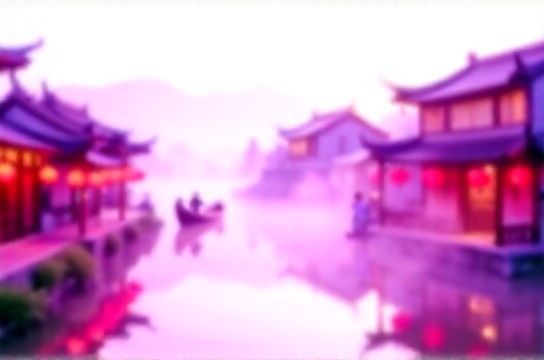
Why Ancient Towns Are the Heartbeat of Chinese Culture
China’s ancient towns aren’t frozen in time—they’re vibrant communities where old customs blend seamlessly with daily life. From Jiangnan’s watertown elegance to Yunnan’s ethnic charm, each destination tells a unique story. Whether you're sipping oolong in a Ming-era teahouse or bargaining for handwoven batik, these experiences connect you to centuries of heritage.
Take Zhouzhuang, often called the 'Venice of the East.' With over 900 years of history, this Jiangsu gem draws 2.5 million visitors annually—but go early morning, and you’ll have the misty canals almost to yourself. Or head to Lijiang in Yunnan, a UNESCO site where Naxi culture pulses through cobbled lanes and Dongba script still adorns local shops.
Top 5 Must-Visit Ancient Towns & Cultural Highlights
Not all ancient towns are created equal. Here’s a curated list blending cultural depth, accessibility, and authentic vibes:
| Town | Location | Cultural Highlight | Best Time to Visit |
|---|---|---|---|
| Zhouzhuang | Jiangsu | Water town architecture, silk traditions | March–May, September–November |
| Lijiang | Yunnan | Naxi music, Dongba rituals | April–June, September–October |
| Fenghuang | Hunan | Miao & Tujia minority culture | May–October |
| Xitang | Zhejiang | Precious opera, covered bridges | Spring & Autumn |
| Langzhong | Sichuan | Taoist temples, ancient astronomy | March–June |
Pro tip: Skip the summer rush (July–August) when humidity and crowds peak. Aim for shoulder seasons—fewer people, better photos, and locals actually enjoying their own towns.
Immersive Cultural Experiences You Can’t Miss
- Tea Ceremonies in Lijiang: Join a family-run session and learn how Pu’er tea is aged for decades.
- Calligraphy Workshops in Zhouzhuang: Write your name in traditional brushwork—great souvenir!
- Fenghuang Night Markets: Taste sour fish soup and watch Miao silver artisans at work.
- Daily Life in Xitang: Rent a paddle boat and glide past women washing clothes by the river—yes, it still happens!
These aren’t staged performances. They’re real moments of cultural continuity that you’re invited to witness—and participate in.
Travel Tips for a Smooth & Meaningful Journey
Respect goes a long way. A simple 'Nǐ hǎo' (hello) or 'Xièxiè' (thank you) in Mandarin opens doors. Bargaining? It’s expected in markets, but do it with a smile. And pack light—cobblestones hate heavy suitcases.
Stay in family guesthouses when possible. In Lijiang, a night in a Bai-style courtyard runs about $40–60 USD, including breakfast. Compare that to chain hotels twice the price with zero character.
Final Thoughts: Go Beyond the Postcard
The magic of China’s ancient towns isn’t just in their beauty—it’s in the human connections. Share a meal with a local elder, listen to a folk song passed down for generations, or simply sit by a canal as dusk paints the sky. That’s where real travel begins.
So ditch the itinerary once in a while. Let the alleys guide you. Because in these timeless towns, culture isn’t something you see—it’s something you feel.