
Taste Tradition in Chinese Cultural Food Experiences
- Date:
- Views:217
- Source:The Silk Road Echo
Craving more than just dumplings and takeout? Dive fork-first into the soul of China through its food — where every bite tells a story centuries old. From sizzling Sichuan spice to delicate Cantonese dim sum, Chinese cuisine isn’t just about flavor — it’s a cultural journey on a plate.
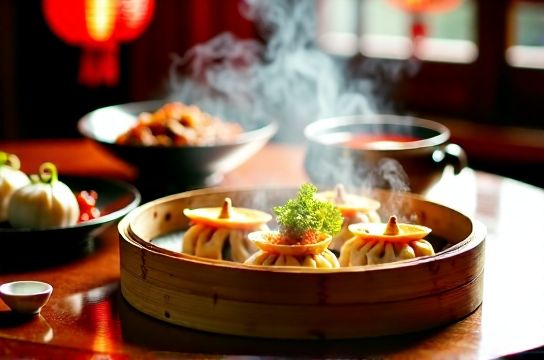
Why Chinese Food Is More Than Just a Meal
In China, food is philosophy. Rooted in balance, seasonality, and regional pride, traditional dishes reflect local climate, history, and even folklore. The concept of yin and yang shapes menus — cooling cucumber balances fiery chili; steamed buns offset fried spring rolls. It’s not just eating — it’s harmony.
Regional Flavors That Define a Nation
China’s vast landscape births eight major culinary traditions. But let’s spotlight the four most iconic — each with its own personality:
| Region | Signature Flavor | Must-Try Dish | Fun Fact |
|---|---|---|---|
| Sichuan | Spicy & Numbing (málà) | Kung Pao Chicken | Uses Sichuan peppercorns that tingle your lips! |
| Cantonese (Guangdong) | Subtle & Fresh | Har Gow (Shrimp Dumplings) | Origin of dim sum culture — 'touch the heart' in Chinese. |
| Shandong | Salty & Umami | Dezhou Braised Chicken | One of China’s oldest culinary schools. |
| Jiangsu (Huaiyang) | Sweet & Artistic | Squirrel Fish | Dishes often resemble art — crispy fish shaped like a squirrel’s tail! |
Eat Like a Local: Cultural Food Experiences You Can’t Miss
- Night Markets in Xi’an — Where ancient Silk Road flavors live on. Try roujiamo (Chinese ‘burger’) with cumin lamb.
- Teahouse Culture in Chengdu — Sip jasmine tea while snacking on mapo tofu. Bonus: catch a Sichuan opera with face-changing performers!
- Dim Sum in Hong Kong — Go early! Order bamboo baskets of siu mai and egg tarts from rolling carts. Pro tip: rotate the tea when someone pours for you — it’s polite!
The Secret Sauce? Tradition & Technique
What makes these dishes timeless? Take xiaolongbao (soup dumplings). Each wrapper is hand-pleated with 18 folds — no machine can replicate the precision. Or consider red-cooked pork, slow-braised for hours until it melts like butter. These methods aren’t just recipes — they’re heritage.
And let’s talk numbers: over 800 million Chinese enjoy hot pot weekly, according to 2023 food industry reports. That’s not just popularity — it’s ritual. Gathering around a bubbling pot symbolizes unity, warmth, and shared joy.
How to Bring the Experience Home
Can’t hop on a flight to Shanghai? Recreate the magic:
- Host a DIY hot pot night — load up on thinly sliced beef, tofu, and bok choy.
- Try making scallion pancakes — crisp outside, tender inside, and way easier than you think.
- Explore authentic ingredients: fermented black beans, Shaoxing wine, or chili oil from Lao Gan Ma.
Remember: Chinese food isn’t fast. It’s meant to be savored, shared, and celebrated. So next time you pick up chopsticks, don’t just eat — connect.